

Best Quality Tissue Rewinding Machine: Key Features and Buying Guide
2026-10-19
A tissue rewinding machine is only as good as the rolls it produces. If your lines are struggling with inconsistent tension, poor edge alignment, or excessive dust, the problem is rarely the paper—it’s the engineering behind the unwind and rewind sections. That’s where a careful buying decision pays off. Below, you’ll find the key features that define a best-quality rewinder, along with the reasons converters turn to DAXIN when they need reliable, high-output performance.
Understanding the Heart of the Rewinding Process
Rewinding film by hand is less about reversing a mechanism and more about listening. The faint clicks as the sprocket teeth let go, the slight resistance building as the take-up spool fills—these cues tell you exactly when to slow down and when to keep a steady pace. Rush it and you risk scratching the emulsion or, worse, snapping the leader clean off. Let it breathe and the film settles back into its canister as if it had never been disturbed.
The real heart of the process, though, is tension. Not too tight, not too loose—just enough to keep the film flat against the pressure plate without stretching the base. Old cameras had a clever way of reminding you: a winding lever that grew stubborn if your grip was off. That mechanical feedback taught a kind of patience you don't get from a motor drive. You start to feel the difference between a roll that's been wound evenly and one that's fighting you every frame.
By the time the rewind knob spins freely, you know the leader has left the take-up spool. There's a quiet satisfaction in that moment—the film is safe, and you've handled it the way it was meant to be handled. It's a small ritual, but one that makes the next roll feel like a fresh start rather than a chore.
Key Specifications That Directly Impact Finished Roll Quality
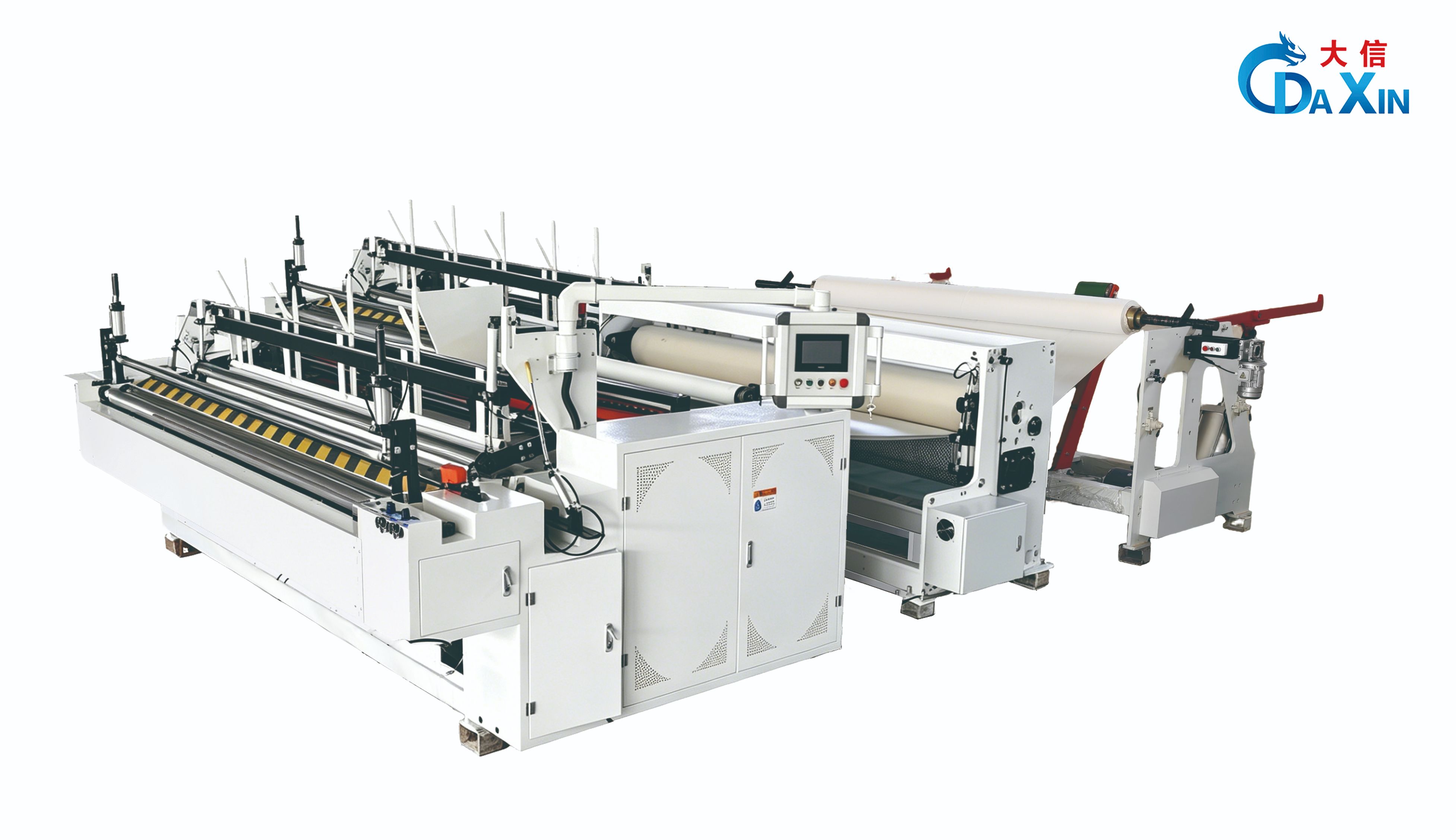
Roll quality starts with the numbers you can measure. Thickness variation across the width—often called crown or profile—is the first spec to watch. If the roll body deviates from the target crown by more than a few microns, the strip or sheet will stretch unevenly, leading to wavy edges or center buckle. Surface roughness (Ra or Rz) is equally unforgiving; too smooth and the material slips, too rough and it picks up unwanted texture. For most finishing applications, keeping Ra below 0.4 µm while maintaining a consistent crosshatch pattern after final grinding separates acceptable rolls from scrap.
Beyond geometry, hardness and residual stress dictate how long the roll holds its shape under load. A hardness spread of more than 2 HRC across the face can create localized wear bands that show up as repeating marks on the finished product. Balance grade matters too—at line speeds above 800 m/min, even a G2.5 imbalance turns into visible chatter. Tightening incoming roundness and runout tolerances to within 5 µm TIR may cost more at machining, but it removes the most common source of gauge variation downstream. These are not abstract specs; they are what the operator feels in the strip and sees in the final inspection report.
Automation Features That Reduce Waste and Labor Costs
Many production lines still rely on manual adjustments that lead to overpouring, miscuts, or inconsistent batches. Automation changes this by using real-time sensor feedback to apply exactly the right amount of material, whether it's adhesive, paint, or dough. That precision alone can cut raw material waste by double digits, and because machines don't tire or drift, you avoid the slow creep of variance that quietly drains profit.
Labor costs often spike not because of the core task itself, but from all the walking, waiting, and rechecking around it. Automated systems can sequence work so operators spend less time hunting for parts or verifying settings. In many facilities, one person overseeing a cell can handle what used to require three, not by speeding up the work, but by removing the non-value-added motions that made the old process expensive.
There's also a less obvious saving: automated logging and diagnostics catch small issues before they become full rework jobs. Instead of discovering a quality drift after a full shift, the system flags it in minutes, so you scrap one unit instead of fifty. That reduces both material waste and the unplanned labor needed to sort, rework, or remanufacture.
Evaluating Build Materials for Long-Term Durability
Long-term durability starts with questioning how a material handles repeated exposure, not just its fresh-from-the-factory specs. A coated steel panel may look perfect in a showroom, but after five years of coastal salt spray and UV, the real story shows in edge corrosion and fading. Pay attention to microclimates around the structure: shaded north walls stay damp longer, roof corners channel runoff, and any spot where dust and debris collect becomes a moisture trap. Mapping these local stress points before choosing materials often saves more than any accelerated warranty claim.
Lab test results rarely match field performance unless they replicate the specific failure sequence. For example, accelerated weathering might alternate UV and humidity, but it won't capture how freeze-thaw cycles push water deeper into a hairline crack after a wind-driven rain. When evaluating candidates, ask for case studies or sample installations from at least five to ten years back, preferably in a similar climate and exposure category. Look at joints, fasteners, and transition zones, since those fail long before the main surface does. If a supplier cannot point to real-world aging data, treat any durability claim with skepticism.
It's easy to focus on the primary cladding or structural material and forget how it interacts with everything else. Galvanic corrosion between dissimilar metals, plasticizer migration from sealants into adjacent coatings, or thermal expansion mismatches can quietly degrade a system even when each component passes its own test. A smarter approach is to evaluate assemblies rather than isolated samples. Include realistic maintenance intervals in the cost comparison: a cheaper material that needs recoating every four years may erase its upfront savings after two decades. Long-term durability is less about finding a single perfect product and more about ensuring the whole buildup stays compatible under cumulative, real-world stress.
Smart Questions to Ask Before You Buy a Tissue Rewinder
A tissue rewinder is a serious investment, so don't be shy about grilling the supplier on output speed and roll consistency. Ask what happens when you run a thinner or heavier base paper—does the machine struggle with tension control? You'll also want to know the maximum finished roll diameter it can handle before the core starts slipping. And if you're planning to run embossed or printed tissue, confirm the rewinder can wind those without crushing the pattern.
Pay close attention to how often the rewinder needs blade changes, lubrication, and alignment checks. A machine that looks cheap upfront can eat your margins if it demands a technician every few weeks. Question the supplier about the availability of spare parts and whether common wear items are off-the-shelf or custom machined. Also ask if the control panel is intuitive enough for a new operator to learn in under a day, because training downtime costs real money.
Beyond the spec sheet, dig into the real cost of ownership. What's the average power draw per ton of finished product? How much waste does the machine generate during start-stop cycles? Get a reference from a mill running similar paper grades and ask them about unexpected breakdowns in the first year. A good supplier won't dodge these questions—if they do, keep looking.
Common Oversights That Lead to Costly Downtime
Most downtime isn't caused by dramatic failures. It creeps in through ignored warning signs—a backup job that stopped emailing confirmations, a storage array running at 94% capacity for weeks, or a certificate that expired over the weekend. These details sit in dashboards nobody opens until something breaks.
Redundancy gives a false sense of safety. Teams install duplicate hardware or mirror databases but never simulate a failure. When the primary path dies, the secondary is often stale, misconfigured, or waiting on a manual step that nobody remembers. The result is an outage that lasts longer than if there had been no redundancy at all, because the team spends the first critical minutes debugging the failover instead of restoring service.
Monitoring tools are tuned for loud, obvious alerts. They catch a server that is completely down, but they miss the slow drift: query times creeping from 80ms to 900ms, connection pools gradually exhausting, or a file system inching toward full. By the time a threshold trips, users have already refreshed a dozen times and started complaining. The most expensive oversights are the quiet ones.
FAQ
You'll notice it in the consistency of the finished rolls first. Better machines hold their tension and alignment across long runs, so you're not constantly stopping to fix wrinkles or uneven edges. The frame is heavier, bearings are sealed against dust, and the blades stay sharp longer. Cheap units often save money on the motor and brake system, which leads to jerky starts and weak perforations. A quality rewinder should feel predictable after the first week, not like it needs constant babysitting.
Start with your daily output target, then work backwards. If you need 8,000 finished rolls per shift, don't just look at the machine's maximum speed in meters per minute. Account for splices, core changes, and minor downtime. It's usually smarter to run a slightly slower machine comfortably than to push a fast one to its limit. Ask the manufacturer what speed they recommend for continuous duty, not just the peak rating. Also check whether acceleration and deceleration are smooth, because high speed means little if the machine can't stop cleanly at the end of a log.
Planning maintenance around paper dust is probably the biggest one. Tissue lines create fine dust that works into bearings and sensors if you don't stay on top of it. Weekly compressed air cleaning, monthly lubrication of chains and gears, and checking belt tension every couple of weeks will prevent most breakdowns. Keep a log of blade changes instead of waiting until perforations get ragged. Also, don't ignore small oil leaks from the gearbox—they usually point to a seal that can be replaced cheaply before it ruins a shaft.
Ask the seller to run a sample with your own parent rolls if possible. Look at the perforation line under light: it should be even across the full width, with no tearing at the edges. Try pulling the sheet both fast and slow—the perforation should separate cleanly without ripping the ply. Also check how easy it is to change blades. Some machines require partial disassembly for a simple blade swap, which will drive your labor cost up over time. Pneumatic or quick-change blade holders are worth the extra money.
For most tissue lines, automatic tension control pays for itself quickly. Manual systems depend on the operator's feel and can drift as the parent roll gets smaller. Automatic control uses feedback from load cells or dancer rollers to keep web tension steady, which means fewer breaks and more consistent roll hardness. The only time manual might make sense is if you run very short batches with frequent material changes and a highly experienced operator. Otherwise, go automatic and spend the setup time calibrating it properly.
A typical mid-size machine with two or three unwind stands needs roughly 6 by 4 meters for the main unit, but you should double that for comfortable operation. You need space for loading parent rolls with a hoist or lift, room to pull finished logs off the exit conveyor, and enough clearance to open electrical cabinets. Don't place the rewinder tight against a wall. Also check ceiling height if you're using an overhead crane for roll changes—some setups need 4.5 meters or more of clear lift.
Many modern rewinders can switch between toilet tissue, kitchen towels, and even napkin stock, but the changeover time matters more than the machine's label. If you're moving from single-ply bathroom tissue to two-ply kitchen towel, you'll need to adjust embossing pressure, perforation length, and winding tension. Some machines store these recipes digitally, which helps a lot. If you change grades more than twice a day, look for quick-set features like motorized unwind arms and preset tension curves. Running separate lines only makes sense when your volumes are high enough to keep each one busy full-time.
Conclusion
A tissue rewinding machine only performs as well as its core unwinding, perforating, and winding units. If the tension control drifts or the embossing rollers are not precisely ground, the finished rolls will show visible inconsistencies even when the parent jumbo roll is top grade. Look closely at the rewinder's ability to hold sheet count accuracy, perforation depth, and roll hardness within narrow tolerances across different basis weights. Machines with closed-loop tension feedback and servo-driven winding drums tend to deliver much tighter finished roll profiles than simple clutch-based systems, especially at higher line speeds.
Durability comes from the frame and contact surfaces, not just the control panel. Powder-coated or stainless steel side frames resist corrosion in humid mill environments, while hardened anilox and embossing rolls keep their pattern definition over millions of cycles. Before signing a purchase order, ask the manufacturer for actual downtime records from similar installations, not just a glossy brochure. Pay attention to whether automatic core feeding, tail sealing, and reject ejection are standard or optional; retrofitting them later often costs more than choosing a better-equipped model from the start. Finally, plan for routine wear items such as blades, belts, and rubber-covered pull rolls. The most expensive rewinder is the one that sits idle because a small, overlooked component has no local spare part support.
Contact Us
Contact Person: Sam Xie
Email: [email protected]
Tel/WhatsApp: 86-18938538530
Website: https://www.daxin321.com/