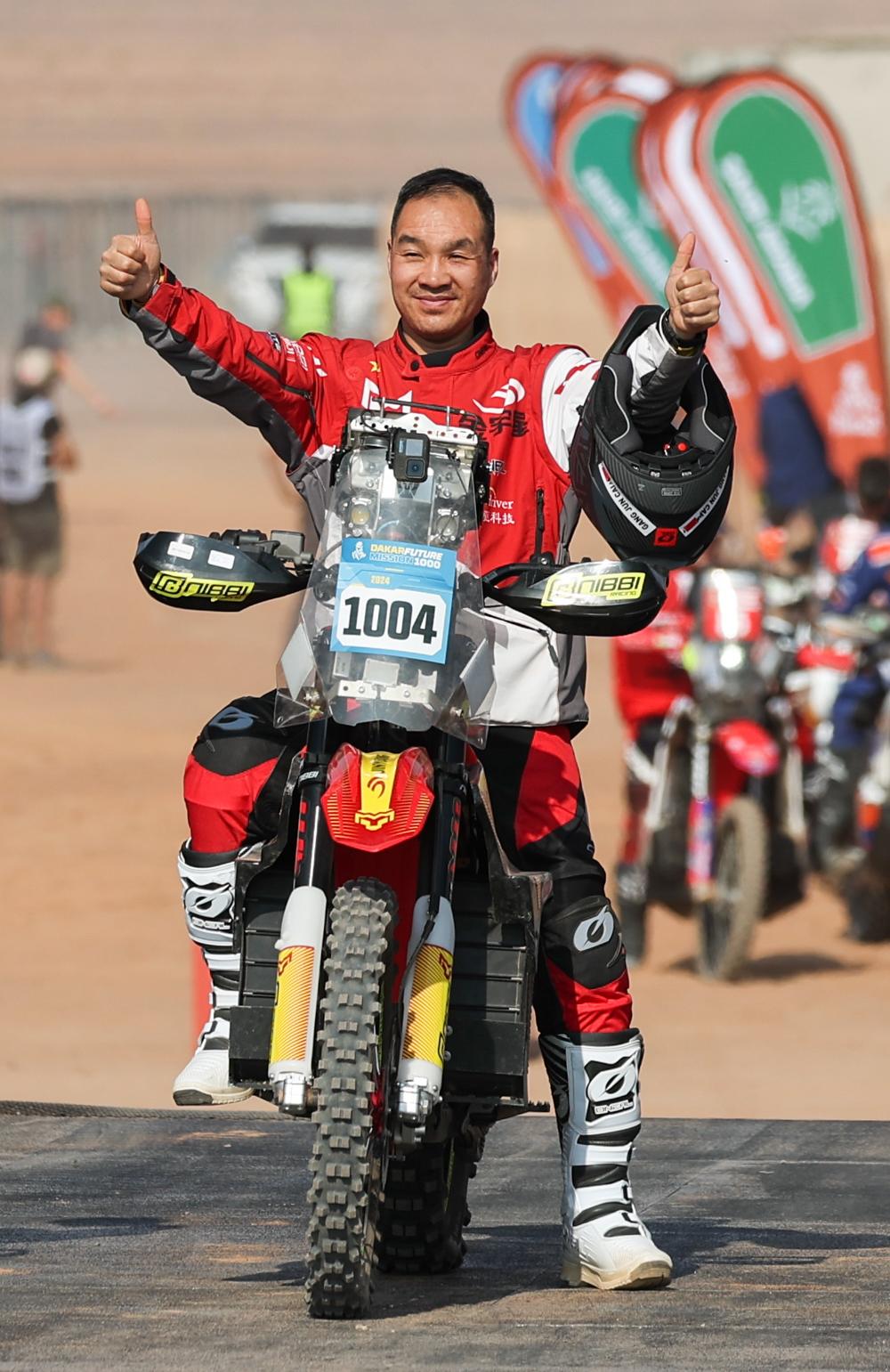

E·XE 880 Enduro Electric Dirt Bike Supplier Delivers High-Performance Off-Road Thrills
2026-10-17
When the trail gets rough, the last thing you want is a bike that holds back. The E·XE 880 Enduro electric dirt bike, supplied by Arctic Leopard, changes that equation entirely. With instant torque and a chassis built for punishing terrain, it delivers the high-performance off-road thrills that gas bikes can only dream of—without the noise or emissions. Here's what makes this machine a game-changer for serious riders.
What the E·XE 880 Gets Right About Off-Road Electric Power
Instead of trying to mimic a gas engine's power curve, the E·XE 880 leans into what electric motors do best — instant, flat torque from a standstill. That means no clutch feathering over rocks, no downshifting to find the right rev range, just a predictable surge that climbs loose hills and crawls through tight sections without stalling. It feels less like an off-road compromise and more like a new kind of traction tool.
The battery placement and low center of gravity also pay off where it counts. The weight sits down low and forward, so the front wheel stays planted when you're picking a line through roots or powering out of a rut. And because there's no exhaust note, you hear the tires, the terrain, and the motor's faint whine — which actually helps you read the surface instead of drowning it out.
Then there's the lack of maintenance drama. No oil changes, no air filter swaps after every dusty ride, no carburetor tuning at altitude. The E·XE 880 just works, ride after ride, with regenerative braking adding a bit of range on long descents. For anyone tired of fiddling with small gas engines, that's the real off-road win.
The Supplier Behind the Bike and Its Trail-Proven Quality Control
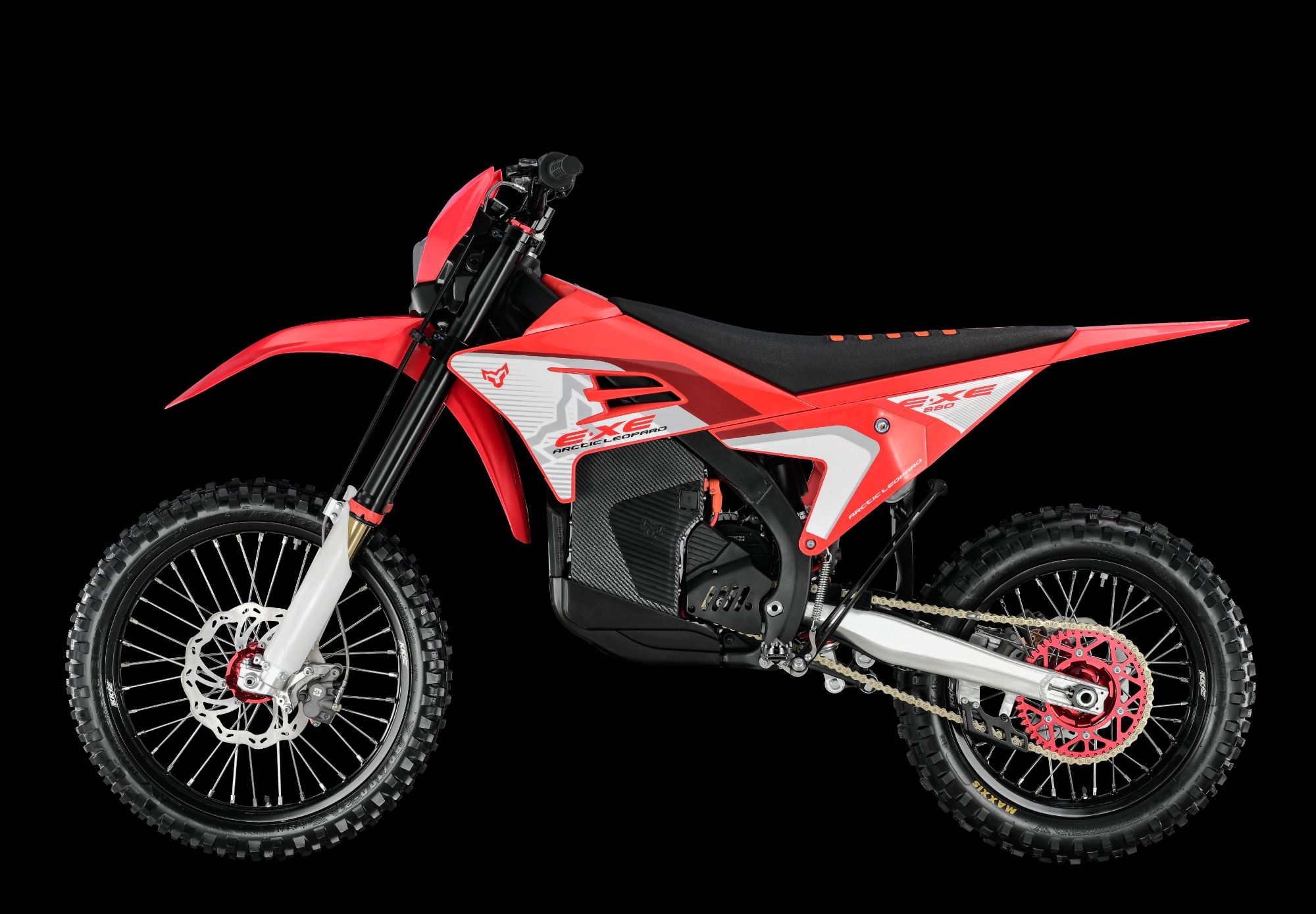
The frame doesn't come off some anonymous production line. It's welded in a supplier facility that has been building trail bikes longer than most riders have been clipping in. You can hear it in the way the welders talk about heat zones and in the way the test riders treat a Tuesday afternoon like a race run. The supplier's own crew rides the same rocky, root-covered descents that would end a lesser frame, which is exactly why the product holds up when it reaches you.
Before any frame gets its badge, it's ridden hard on terrain that resembles a weekend epic, not a parking lot. The supplier keeps a rotating fleet of test mules that log thousands of kilometers each season. Those bikes aren't coddled. They're cased on jumps, slammed into berms, and occasionally crashed just to see what fails. That abuse gets logged, stripped, and fed back to the production floor.
Quality control here is part measurement, part scar tissue. Tolerances get checked after every weld station, but the real proof comes from snapped chainstays and dented downtubes on pre-production units. When something breaks, the welder who laid the bead gets the photo before lunch. That loop, repeated for years, is why the trail-proven label isn't marketing talk.
Battery Life That Keeps Up With All-Day Enduro Riding
Most enduro loops aren't measured in miles—they're measured in elevation and time spent grinding up fire roads to earn another descent. This battery pack is sized for that reality, delivering enough capacity to cover 5,000 to 6,500 feet of climbing in mixed assist modes without turning the ride into a range-anxiety exercise. Riders who alternate between Trail and Boost on steep pitches can expect a full morning of shuttling-style laps before the gauge drops below 20 percent.
The discharge curve stays flatter than older packs, so the last 30 percent doesn't sag or force sudden power cuts on technical climbs. Even when the terrain turns loose and rocky, the motor keeps drawing smoothly, and the remaining range estimate adjusts in real time based on recent output rather than a generic average. That makes it easier to commit to one more stage instead of limping back to the trailhead.
For riders pairing the bike with a second battery in a backpack, the total ride time stretches beyond typical daylight hours—not because the frame demands it, but because the day's steepness and session length stop being limited by the battery. On shuttle-access enduro days, one charge is often enough to skip the truck line and self-shuttle three to four laps without missing a beat.
Suspension, Tires, and Geometry Tuned for Dirty Work
The suspension gets a softer mid-stroke and more rebound control than you would expect, so square-edged holes and washboard climbs don't rattle your hands numb. The fork and shock are tuned to stay high in their travel early, then ramp up progressively to swallow bigger hits when you are off the brakes in loose rock.
Tires are not an afterthought. The stock rubber uses widely spaced center knobs for straight-line bite in mud and a taller side knob that leans into ruts instead of skating over them. Geometry follows the same brief: a degree slacker head angle, 15mm longer reach, and a bottom bracket dropped just enough to feel planted without constant pedal strikes. It all works as a package, so you can ride through the ugly stuff without fighting the bike.
No Clutch, No Noise, No Limits on the E·XE 880
The E·XE 880 redefines what a modern drive system can feel like. By eliminating the traditional clutch, it removes the mechanical friction and lag that many riders have simply learned to tolerate. There's no grab point to manage, no cable stretch to adjust, and none of the chatter that usually signals a drivetrain under stress. Instead, power delivery feels like a clean, uninterrupted wave—immediate when you ask for it, smooth when you back off.
Without clutch plates rattling or a clutch basket resonating, the E·XE 880 runs noticeably quieter. What you hear is the intended character of the motor and the tires working the surface, not a secondary mechanical conversation. This acoustic clarity makes long sessions less fatiguing and lets you pick up on subtle feedback from the chassis that would otherwise be masked.
But the biggest shift is in how the E·XE 880 lets you use the engine. No clutch means no fixed engagement points, no stall risk on technical terrain, and no need to feather anything to keep momentum. You get to focus purely on line choice and throttle control. The result is a machine that feels less like a collection of separate components and more like a direct extension of your inputs—quiet, composed, and ready to keep going long after conventional setups would have called for a break.
Technical Terrain Is Where the E·XE 880 Really Shines
Point the E·XE 880 at a mess of roots, rock shelves, and off-camber dirt, and it settles in instead of skating around. The suspension doesn't just absorb hits; it gives you feedback early enough to adjust your line mid-climb. Traction comes from the bike's ability to keep the rear wheel tracking straight while the front stays light enough to correct.
Where other e-bikes fight you through slow, awkward corners, this one lets you meter power with fine pedal pressure. The motor's response is quick but not twitchy, so you can inch over a ledge without blowing the rear loose. That predictability matters more than raw torque once the trail stops flowing.
The result is a bike that makes technical riding feel less like a gamble. It holds a chosen line through rock gardens, recovers from half-committed moves, and leaves enough energy for the next obstacle. On the kind of terrain that normally beats you up, the E·XE 880 gives you a reason to try a harder route.
FAQ
It pairs a torquey electric motor with a chassis tuned for serious enduro riding, so you get instant throttle response and enough suspension travel to handle rocky climbs without feeling like a compromise.
A dedicated supplier focused on electric off-road vehicles handles distribution, offering direct support and spare parts availability for riders and dealers alike.
You lose the clutch and gear shifting, but gain linear power from zero rpm and silent operation that lets you ride tighter trails without disturbing wildlife or neighbors.
Depending on terrain and riding mode, most owners see between two and three hours of aggressive trail riding, with the option to swap batteries if you carry a spare.
It has adjustable power modes, so newer riders can start with a gentler throttle map and work up to full output as their confidence grows on loose surfaces.
No oil changes or air filter cleanings—just keep the chain tensioned, check brake pads, and occasionally inspect the battery connections and suspension seals.
The suspension is tuned more for enduro terrain like roots, rocks, and hill climbs, but it can handle light motocross duty if you adjust the clickers and tire pressure.
It includes a robust skid plate, hand guards, and a kill-switch lanyard, plus regenerative braking that helps control descents while feeding a little energy back to the battery.
Conclusion
The E·XE 880 electric dirt bike turns the usual compromise of off-road electric power on its head. Instead of a mellow commuter motor, you get instant torque that feels almost unfair on technical climbs—no clutch feathering, no bogging, just a steady pull from zero rpm. The supplier clearly built this bike around real enduro days: the battery is sized for hours of hard trail riding, not a quick loop around the parking lot. You'll cover rocky washes, tight woods, and long hill climbs without worrying about a top-off. And because there's no clutch lever or shifter, your left hand stays free to grab the bars or push off a tree, letting you attack lines that would punish a traditional two-stroke.
That trail-focused mindset extends to the chassis. Long-travel suspension, aggressive knobby tires, and a geometry tuned for nasty singletrack keep the E·XE 880 planted on ledges, root webs, and off-camber sections. It's not a bike that flinches when the surface disappears under you. The supplier's quality control shows in the details too—components get hammered on real trails before the bike ships, so nothing rattles loose when you're deep in a rock garden or blasting through whoops. On the gnarliest terrain, the E·XE 880 stops feeling like an electric novelty and starts feeling like the smartest tool in your garage.
Contact Us
Contact Person: Jack
Email: [email protected]
Tel/WhatsApp: +86 15657688888
Website: https://www.arctic-leopard.com