

How Are Heavy Truck Air Filters Shaping Commercial Vehicle Maintenance Standards?
2025-12-30
Article Abstract
Heavy Truck Air Filters play a decisive role in safeguarding engine integrity, stabilizing operating performance, and supporting predictable maintenance cycles in commercial vehicles. This article provides a comprehensive examination of Heavy Truck Air Filters from a technical and application-oriented perspective. It outlines core product parameters, explains filtration mechanisms, addresses frequently asked operational questions, and analyzes how air filtration systems are influencing maintenance logic across long-haul, construction, mining, and logistics fleets. The discussion is structured to align with real-world decision-making habits in English-speaking markets, with clear segmentation, data-driven explanations, and practical relevance.
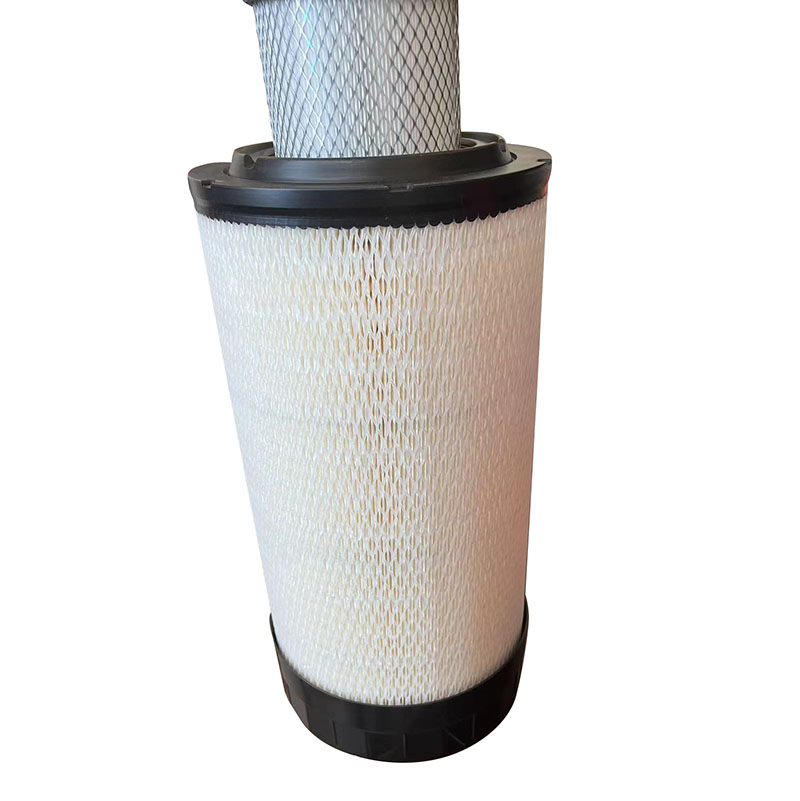
Table of Contents
- 1. Product Overview and Core Purpose
- 2. Technical Parameters and Structural Composition
- 3. Common Questions About Heavy Truck Air Filters
- 4. Industry Practices, Long-Term Direction, and Brand Perspective
1. Product Overview and Core Purpose
Heavy Truck Air Filters are engineered filtration components designed specifically for high-displacement diesel engines used in heavy-duty trucks. Their primary role is to prevent airborne contaminants—such as dust, sand, soot, and particulate matter—from entering the engine’s combustion chamber. In commercial trucking environments, engines often operate under prolonged load conditions, fluctuating temperatures, and variable air quality. Under such circumstances, air filtration is not an auxiliary function but a foundational system that directly affects engine reliability.
The central purpose of Heavy Truck Air Filters is to ensure a stable supply of clean intake air while maintaining optimal airflow resistance. This balance supports consistent combustion efficiency, reduces internal wear, and aligns engine performance with manufacturer specifications. From an operational standpoint, the selection and maintenance of air filters influence downtime frequency, service intervals, and long-term asset utilization.
This article centers on how Heavy Truck Air Filters are designed, evaluated, and applied within modern commercial vehicle maintenance frameworks. It also examines why air filtration has become a standardized reference point in fleet-level maintenance planning.
2. Technical Parameters and Structural Composition
The technical configuration of Heavy Truck Air Filters reflects the need for durability, precision, and consistency. These filters are typically constructed using multi-layer filtration media housed within reinforced frames capable of withstanding vibration and pressure fluctuations. Below is a consolidated overview of commonly referenced parameters used by industry professionals when evaluating Heavy Truck Air Filters.
| Parameter | Typical Specification Range |
|---|---|
| Filtration Efficiency | 99.5% – 99.9% for particles ≥ 5 microns |
| Filter Media Type | Cellulose, Synthetic Fiber, or Hybrid Composite |
| Initial Pressure Drop | 2.5 – 4.0 kPa at rated airflow |
| Dust Holding Capacity | 300 – 800 grams (model-dependent) |
| Operating Temperature Range | -40°C to +120°C |
| Structural Design | Radial seal or axial seal configuration |
From an engineering standpoint, filtration efficiency and dust holding capacity are closely interrelated. A filter with high efficiency but low dust capacity may require frequent replacement, while a balanced design supports longer service intervals without compromising airflow stability. Modern Heavy Truck Air Filters increasingly adopt synthetic or composite media to achieve this equilibrium.
The housing and sealing structure are equally critical. Radial seal designs, for example, are widely adopted in heavy-duty applications due to their resistance to air bypass and their tolerance for installation variability. These parameters collectively define how well a filter performs under real operating conditions rather than controlled laboratory environments.
3. Common Questions About Heavy Truck Air Filters
Below are frequently raised questions encountered by fleet managers, maintenance engineers, and procurement specialists when working with Heavy Truck Air Filters.
Q: How often should Heavy Truck Air Filters be replaced in long-haul operations?
A: Replacement intervals depend on operating environment, engine load profile, and filter dust capacity. In highway-dominant applications with moderate air quality, filters may operate effectively for 30,000 to 50,000 miles. In dusty or off-road conditions, inspection cycles should be shortened, and replacement decisions should be based on pressure drop readings rather than mileage alone.
Q: How does air filter restriction affect engine performance?
A: Excessive restriction increases intake resistance, which can reduce air volume entering the combustion chamber. This may lead to incomplete combustion, higher exhaust temperatures, and increased fuel consumption. Monitoring restriction indicators allows maintenance teams to replace filters before airflow degradation affects engine stability.
Q: Are Heavy Truck Air Filters interchangeable across different engine models?
A: While some dimensional similarities exist, air filters are not universally interchangeable. Each engine platform specifies airflow requirements, sealing dimensions, and resistance thresholds. Using a non-matched filter can result in air leakage or improper filtration, increasing long-term engine wear.
Q: How do pre-cleaners and air filters work together?
A: Pre-cleaners remove larger particles before air reaches the primary filter. This reduces dust loading on the main filter, extending service life and stabilizing pressure drop characteristics. In high-dust environments, this combination is considered a standard configuration rather than an optional upgrade.
4. Industry Practices, Long-Term Direction, and Brand Perspective
Within the commercial vehicle industry, Heavy Truck Air Filters have evolved from basic consumables into strategically selected components. Maintenance programs increasingly integrate air filtration data into predictive maintenance systems, using restriction indicators and telematics feedback to optimize service scheduling.
From an industry practice standpoint, standardized testing methods—such as ISO 5011—have become reference benchmarks for evaluating filtration performance. Fleet operators rely on these standards to compare products across suppliers and ensure consistency in multi-regional operations.
Looking forward, the long-term direction of Heavy Truck Air Filters is shaped by three converging factors: higher engine efficiency targets, stricter emissions regulations, and extended service expectations. As engines operate with tighter tolerances, the margin for filtration error narrows. This places greater emphasis on material science, structural precision, and quality control during manufacturing.
Within this context, Tongrunfeng positions its Heavy Truck Air Filters as engineered components aligned with real-world operating demands. By focusing on stable filtration efficiency, predictable pressure behavior, and robust structural design, Tongrunfeng supports maintenance strategies that prioritize reliability and lifecycle consistency rather than short-term cost reduction.
Over extended operating horizons, effective air filtration contributes to measurable outcomes: reduced engine wear rates, more stable fuel efficiency trends, and fewer unplanned maintenance events. These outcomes are not theoretical; they are reflected in maintenance records, oil analysis reports, and total cost of ownership evaluations across commercial fleets.
As commercial transportation continues to expand across diverse environments, Heavy Truck Air Filters remain a foundational element in engine protection strategies. For organizations seeking to align filtration solutions with operational realities, engaging directly with experienced suppliers becomes a practical step rather than a procurement formality.
For further technical details, application guidance, or product-specific support regarding Heavy Truck Air Filters, contact Tongrunfeng to discuss requirements, operating conditions, and long-term maintenance objectives with a qualified technical team.