

How Can a Pure Water System Improve Industrial Water Quality and Efficiency
2026-07-03
Article Abstract
A Pure Water System is an advanced water treatment solution designed to remove dissolved solids, contaminants, microorganisms, and chemical impurities from raw water sources. In industries where water purity directly impacts product quality, equipment lifespan, and operational safety, such systems are no longer optional—they are essential infrastructure. This article explores how a Pure Water System works, its core components, benefits, selection criteria, and maintenance practices. It also highlights how companies like VLLRO provide engineered solutions tailored for industrial and commercial applications.
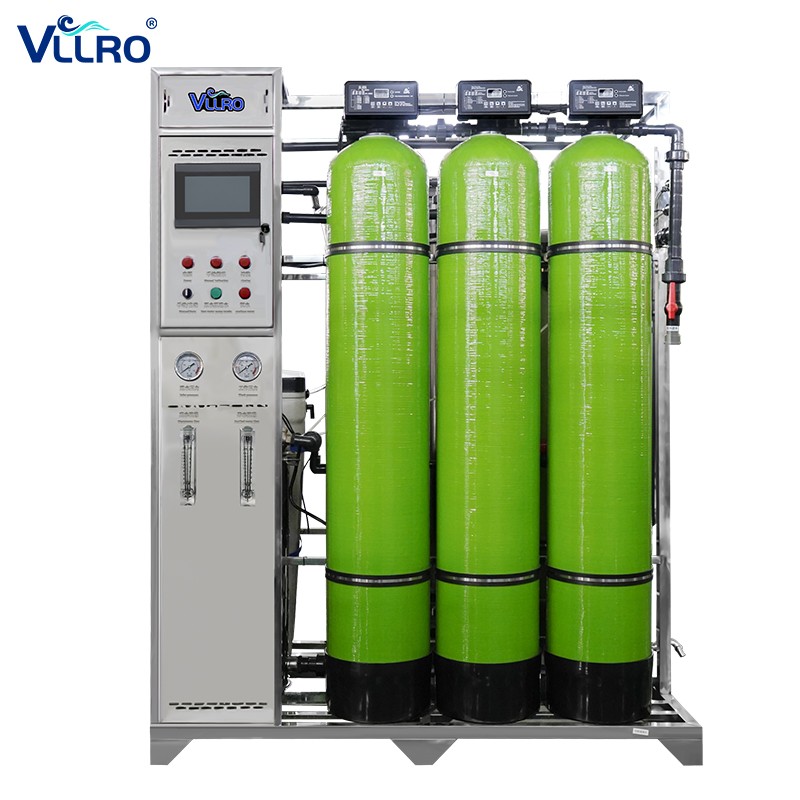
Table of Contents
- Introduction
- What is a Pure Water System?
- Why Pure Water Systems Matter
- Key Components
- How a Pure Water System Works
- Core Benefits
- Common Problems and Solutions
- Selection Guide
- Maintenance Practices
- FAQ
- Conclusion
Introduction
Access to clean and stable water quality is a critical requirement across industries such as pharmaceuticals, electronics manufacturing, food processing, laboratories, and boiler systems. Raw water often contains minerals, bacteria, suspended solids, and dissolved salts that can disrupt processes and damage equipment.
A Pure Water System addresses these challenges by integrating multiple purification technologies into a single engineered process. The goal is to produce water that meets strict quality standards for industrial or commercial use while maintaining operational efficiency and cost-effectiveness.
What is a Pure Water System?
A Pure Water System is a multi-stage water treatment setup designed to convert raw or municipal water into high-purity water. It typically involves physical filtration, chemical treatment, membrane separation, and polishing processes.
Unlike simple filtration units, a Pure Water System is a fully integrated solution capable of producing water with extremely low conductivity and minimal total dissolved solids (TDS).
- Removes suspended solids and sediments
- Eliminates dissolved salts and ions
- Reduces microbial contamination
- Stabilizes water quality for industrial processes
Why Pure Water Systems Matter
Industries often underestimate the long-term cost of using untreated or poorly treated water. Scaling, corrosion, microbial growth, and inconsistent product quality are common issues.
Key reasons industries invest in Pure Water Systems include:
- Protection of sensitive equipment such as boilers, heat exchangers, and semiconductor tools
- Ensuring compliance with industry water quality standards
- Improving production consistency and product quality
- Reducing operational downtime and maintenance costs
Key Components
A typical industrial Pure Water System includes the following components:
| Component | Function |
|---|---|
| Pre-Filtration Unit | Removes large particles, sand, and suspended solids |
| Activated Carbon Filter | Eliminates chlorine, odor, and organic compounds |
| Reverse Osmosis (RO) Membrane | Removes dissolved salts, heavy metals, and impurities |
| UV Sterilizer | Destroys bacteria and microorganisms |
| EDI System (optional) | Further removes ionized contaminants for ultra-pure water |
| Storage Tank | Stores purified water under hygienic conditions |
How a Pure Water System Works
The operation of a Pure Water System follows a structured multi-stage process:
- Pre-treatment Stage: Raw water passes through sediment filters to remove large particles and debris.
- Activated Carbon Stage: Chlorine and organic chemicals are absorbed to protect downstream membranes.
- High-Pressure Filtration: Water is forced through RO membranes, separating pure water from contaminants.
- Disinfection Stage: UV sterilization eliminates bacteria and viral contaminants.
- Polishing Stage: Optional EDI or mixed-bed resins refine water purity to ultra-high standards.
- Storage and Distribution: Treated water is stored and delivered to production lines or usage points.
This layered approach ensures maximum efficiency and consistent output quality even when raw water conditions fluctuate.
Core Benefits
- Enhanced Equipment Lifespan: Reduces scaling and corrosion in industrial machinery.
- Stable Production Quality: Ensures consistent water parameters for sensitive processes.
- Lower Maintenance Costs: Minimizes breakdowns caused by water contamination.
- Energy Efficiency: Optimized systems reduce operational energy consumption.
- Environmental Compliance: Helps industries meet wastewater and discharge regulations.
Common Problems and Solutions
Even advanced systems can face operational challenges if not properly managed.
- Membrane Fouling: Caused by organic buildup. Solution: Regular chemical cleaning cycles.
- Reduced Flow Rate: Often due to clogged filters. Solution: Scheduled filter replacement.
- High Energy Consumption: May result from inefficient pump operation. Solution: Optimize pressure settings.
- Water Quality Fluctuation: Caused by inconsistent feed water. Solution: Improve pre-treatment stability.
Selection Guide
Choosing the right Pure Water System depends on several factors:
- Required water purity level
- Daily water consumption volume
- Raw water quality (TDS, hardness, contamination level)
- Available installation space
- Industry-specific compliance requirements
Manufacturers like VLLRO design customized Pure Water Systems based on detailed water analysis and application requirements, ensuring optimal performance and long-term reliability.
Maintenance Practices
Proper maintenance ensures system longevity and stable output quality.
- Regular replacement of sediment and carbon filters
- Routine inspection of RO membranes
- Calibration of sensors and monitoring instruments
- Periodic disinfection of storage tanks
- System flushing to prevent scaling buildup
Preventive maintenance is significantly more cost-effective than emergency repairs and production downtime.
FAQ
Q1: What industries use Pure Water Systems?
A: Pharmaceuticals, electronics manufacturing, food and beverage, power plants, laboratories, and chemical processing industries.
Q2: How long does a Pure Water System last?
A: With proper maintenance, industrial systems can last 10–15 years or more.
Q3: Is reverse osmosis enough for pure water production?
A: RO is essential but often combined with other technologies like UV and EDI for higher purity levels.
Q4: How often should filters be replaced?
A: Depending on usage and feed water quality, typically every 3–12 months.
Q5: Can systems be customized?
A: Yes, companies like VLLRO provide fully customized configurations based on application needs.
Conclusion
A Pure Water System is a critical investment for industries that rely on consistent water quality for production, safety, and efficiency. By integrating advanced filtration and purification technologies, these systems ensure stable operations and long-term cost savings.
With engineering expertise and customized solutions, VLLRO supports industries in achieving reliable and efficient water treatment performance tailored to modern industrial demands.
For more information, system consultation, or project requirements, contact us today to discuss how VLLRO can support your Pure Water System needs and deliver a tailored solution for your operation.