Article Summary: Cellosic Capsule Filters address a broad range of filtration pain points across industries by offering ready-to-use, self-contained filtration devices with high efficiency, ease of installation, and minimal contamination risk. These filters are engineered for liquids and gases, suitable for sterile and general applications. This article explores how they work, the advantages they bring, key considerations for selection, and practical guidance for implementing the right filter for your needs.
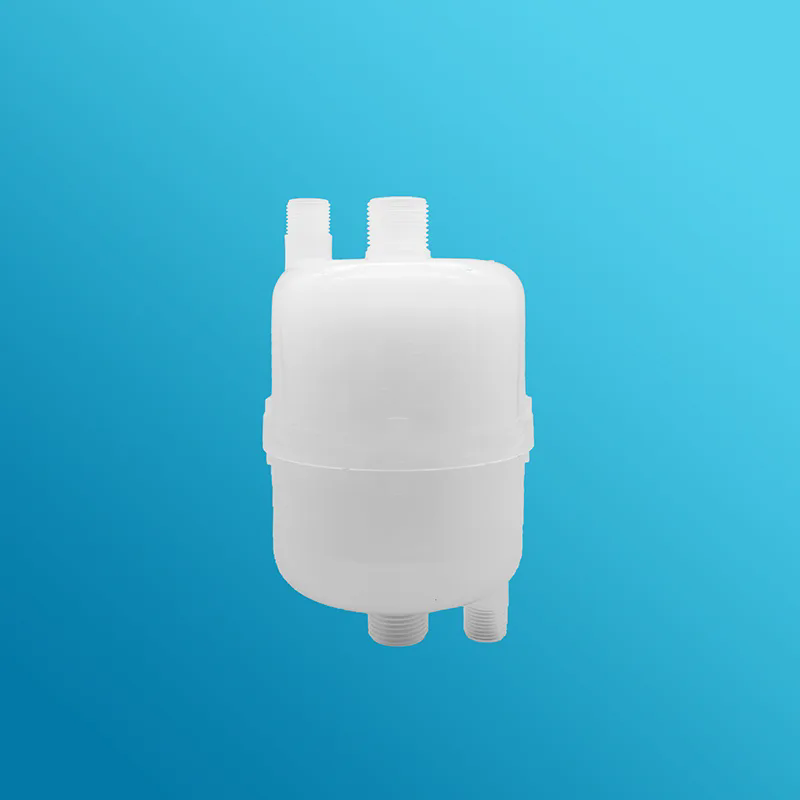
Introduction to Cellosic Capsule Filters
Cellosic Capsule Filters are compact, ready-to-use filtration units designed for efficient removal of contaminants from liquid and gas streams. Unlike traditional filter cartridges requiring housings and additional assembly, these capsule filters integrate the filter media within a self-contained housing to simplify installation and change-out procedures. :contentReference[oaicite:0]{index=0}
Their design enhances reliability, reduces downtime, and mitigates contamination risks commonly associated with conventional filtration systems. These features make them valuable in applications where fluid purity and process uptime directly impact product quality and regulatory compliance.
How Cellosic Capsule Filters Work
At the heart of a Cellosic Capsule Filter is a filtration medium encapsulated within a robust outer shell. These filters operate on one or more filtration mechanisms depending on the media type and target contaminants:
-
Depth Filtration – contaminants are trapped throughout the internal structure of the filter material, enhancing capacity for high-particulate fluids. :contentReference[oaicite:1]{index=1}
-
Surface Filtration – a membrane captures particles on its surface, delivering precise, high-efficiency filtration suited for sterile applications. :contentReference[oaicite:2]{index=2}
This dual-mode capability ensures Cellosic Capsule Filters can be tailored to specific performance requirements, from general clarification to sterile microbe removal.
Core Benefits for Your Processes
Implementing Cellosic Capsule Filters offers several tangible advantages for manufacturers and laboratory operators alike:
-
Ease of Use – ready-to-install design eliminates assembly steps and reduces installation time. :contentReference[oaicite:3]{index=3}
-
Contamination Control – single-use or limited reuse minimizes cross-contamination risks inherent to reusable housings. :contentReference[oaicite:4]{index=4}
-
High Filtration Efficiency – wide pore size options achieve precise particle or microbial removal. :contentReference[oaicite:5]{index=5}
-
Versatility – available in various membrane and support media for liquids and gases. :contentReference[oaicite:6]{index=6}
-
Compact Footprint – small form factor saves space and simplifies process layout. :contentReference[oaicite:7]{index=7}
These benefits collectively lower the total cost of ownership by reducing maintenance, service interruptions, and related labor costs.
Applications Across Industries
Cellosic Capsule Filters are deployed in diverse environments where fluid purity and reliability matter:
|
Industry
|
Key Application
|
|
Pharmaceutical
|
Sterile filtration of injectables, culture media, and APIs
|
|
Food & Beverage
|
Clarification and microbial control in beverages and water
|
|
Laboratories
|
Sample clarification and solvent purification
|
|
Industrial
|
Pre-filtering process water, coolants, and chemical streams
|
In each of these sectors, filtration challenges range from protecting finished product quality to safeguarding sensitive analytical instrumentation. Cellosic Capsule Filters can be specified with appropriate pore sizes and materials to meet these distinct needs. :contentReference[oaicite:8]{index=8}
Selection Guidelines
Selecting the right Cellosic Capsule Filter depends on several criteria:
-
Pore Size – determines what particle size is retained. Lower micron ratings provide finer filtration. :contentReference[oaicite:9]{index=9}
-
Membrane Material – choose based on fluid chemistry compatibility (e.g., PES for biotech fluids, PP for aggressive chemicals). :contentReference[oaicite:10]{index=10}
-
Flow Rate Requirements – ensure the filter surface area and design support target throughput without excessive pressure drop. :contentReference[oaicite:11]{index=11}
-
Sterility Needs – filters designed for sterile operations often come pre-sterilized and validated. :contentReference[oaicite:12]{index=12}
Consult product specifications and technical support from suppliers like Kleanteque to align filter selection with process goals.
Maintenance and Replacement
Capsule filters are largely disposable, but they require monitoring and timely replacement to prevent process disruption:
-
Pressure Drop Monitoring – rising differential pressure indicates loading and signals replacement. :contentReference[oaicite:13]{index=13}
-
Service Life Limits – follow manufacturer guidance for maximum operational hours or volumes processed. :contentReference[oaicite:14]{index=14}
-
Proper Storage – store unused filters in controlled environments to maintain integrity. :contentReference[oaicite:15]{index=15}
Routine replacement not only ensures consistent performance but also prevents adverse effects on downstream equipment and product quality.
Frequently Asked Questions
What pore size should I choose for a sterile filtration application?
For sterile liquid filtration, pore sizes around 0.22 microns are commonly used to achieve reliable microbial retention. :contentReference[oaicite:16]{index=16}
Can capsule filters be used for both liquids and gases?
Yes, different filter media and designs can accommodate liquid and gas streams, including options for hydrophobic media suited for gas filtration. :contentReference[oaicite:17]{index=17}
Are capsule filters reusable?
Most capsule filters are intended as disposable units to avoid cleaning and sterilization risks, though some can be used in limited cycles depending on media and process. :contentReference[oaicite:18]{index=18}
How do I know when to replace a capsule filter?
Monitor the pressure differential across the filter; a significant increase typically indicates the filter is approaching end of life. :contentReference[oaicite:19]{index=19}
Conclusion & Contact
Cellosic Capsule Filters provide a practical, efficient solution to many filtration challenges faced by manufacturers and laboratories. Their compact design, ease of use, and robust performance make them a valuable component in ensuring product quality and process reliability. For tailored guidance on choosing the ideal Cellosic Capsule Filters for your applications, please contact us at Kleanteque today and let our technical team support your filtration success with high-performance solutions.