

How Do Filter Vanes Enhance Industrial Filtration Efficiency?
2025-12-15
Filter vanes are critical components used in industrial filtration systems, designed to optimize the separation of solid particles from liquids and gases. Their function is to increase filtration efficiency while minimizing maintenance requirements and operational costs. Filter vanes operate by providing a structured, high-surface-area pathway that directs fluid flow through multiple filtration layers, capturing impurities effectively.
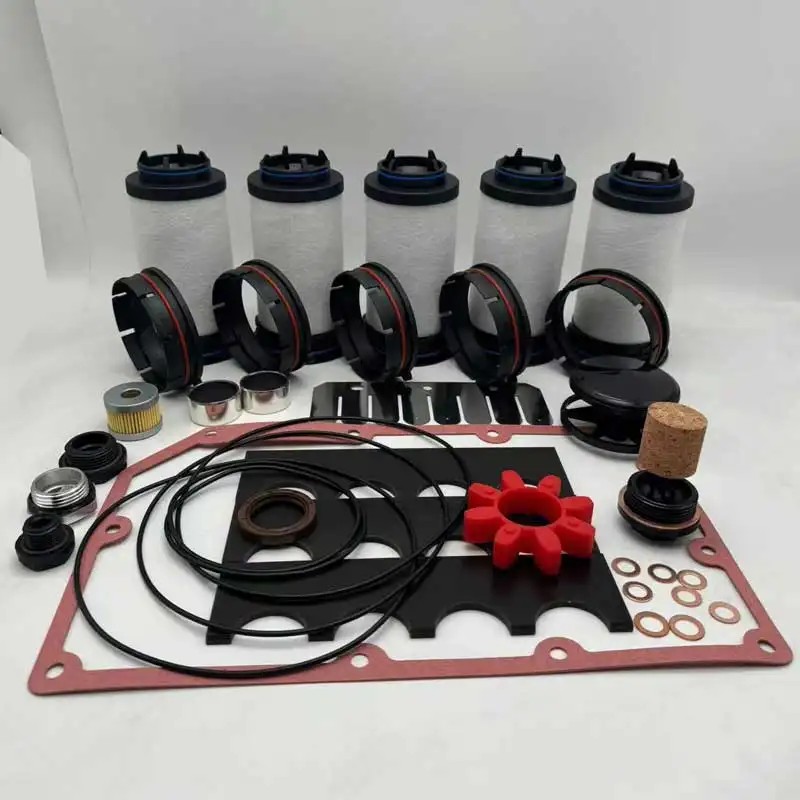
In industrial settings, filter vanes are commonly applied in chemical processing, water treatment, oil refining, and HVAC systems. They are specifically engineered to handle high flow rates, variable pressures, and challenging environmental conditions. The performance of filter vanes depends on precision engineering, materials used, and configuration design.
Key product specifications:
| Parameter | Specification |
|---|---|
| Material | Stainless Steel, High-Grade Alloy, Polypropylene |
| Operating Temperature | -20°C to 150°C |
| Pressure Range | Up to 16 bar |
| Filtration Efficiency | 95%–99% (depending on particle size) |
| Standard Sizes | 150mm, 200mm, 300mm diameters |
| Surface Treatment | Anti-corrosion coating, electro-polished finish |
| Flow Rate | 50–500 m³/h |
Filter vanes are engineered to maximize the effective filtration surface area, allowing for consistent performance even under demanding industrial conditions. The combination of high-quality materials and advanced design ensures longevity, resistance to chemical corrosion, and minimal risk of clogging. These characteristics make filter vanes a reliable choice for industries requiring continuous operations and strict fluid purity standards.
How Do Filter Vanes Compare to Other Filtration Technologies?
When considering filtration solutions, industries often compare filter vanes to other filtration technologies such as mesh screens, cartridge filters, and bag filters. Filter vanes offer unique advantages due to their ability to combine high surface area with compact design.
-
Increased Efficiency: Unlike traditional screens, filter vanes provide layered filtration paths, capturing fine particles more effectively.
-
Lower Maintenance: Due to their self-cleaning flow dynamics, filter vanes require less frequent manual cleaning than bag or cartridge filters.
-
Durability: Stainless steel and alloy constructions withstand high pressures and corrosive environments, extending operational life.
-
Consistent Flow Rate: Filter vanes maintain stable flow rates even when partially clogged, preventing system downtime.
In contrast, mesh screens are prone to rapid clogging, while bag filters need frequent replacement, and cartridges can be costly over time. Filter vanes bridge the gap between high efficiency and long-term cost-effectiveness, making them a preferred choice for industries prioritizing both performance and ROI.
Frequently Asked Questions:
Q1: What is the ideal operating temperature for filter vanes?
A1: Filter vanes are designed to operate efficiently in a range of -20°C to 150°C. This wide operating temperature allows their use in chemical processing, HVAC systems, and industrial liquid filtration, ensuring consistent performance under extreme environmental conditions.
Q2: How often should filter vanes be maintained or replaced?
A2: The maintenance schedule depends on operating conditions, fluid quality, and particle load. Typically, filter vanes require inspection every 3–6 months, with cleaning performed as necessary. Replacement is generally required every 3–5 years for standard industrial applications, though high-load or corrosive environments may necessitate more frequent attention.
How Do Filter Vanes Impact Filtration Efficiency and Future Industrial Trends?
Filter vanes are increasingly integral to modern industrial filtration strategies, especially as industries prioritize energy efficiency, sustainability, and reduced environmental impact. The design of filter vanes allows for a higher degree of particle retention without significantly increasing pressure drop across the system.
Key considerations for achieving optimal filtration efficiency include:
-
Vane Geometry: Precise spacing and orientation of vanes affect the flow dynamics, influencing particle capture rates and system pressure.
-
Material Selection: Corrosion-resistant metals and coated alloys extend service life and reduce contamination risks.
-
Integration with Existing Systems: Filter vanes can be retrofitted into existing filtration assemblies, providing efficiency improvements without full system replacement.
-
Automation Compatibility: Modern filter vane systems can integrate with sensors and control systems to monitor flow, pressure, and contamination levels in real time.
Industries are increasingly adopting filter vane technology in pursuit of operational efficiency and reduced environmental impact. By minimizing downtime, reducing energy consumption, and optimizing particle retention, filter vanes contribute to long-term sustainability goals while maintaining compliance with industrial regulations.
Frequently Asked Questions:
Q1: Can filter vanes handle high particulate loads in industrial applications?
A1: Yes, filter vanes are specifically designed to manage high particulate loads. Their multiple-layer structure distributes particles across a wide surface area, preventing clogging and maintaining consistent flow rates even under heavy contamination conditions.
Q2: How do filter vanes contribute to energy efficiency in filtration systems?
A2: By reducing pressure drop and maintaining steady flow rates, filter vanes minimize the energy required to pump fluids through the system. Their durable materials and efficient design also reduce the frequency of replacements and maintenance, indirectly contributing to overall energy savings.
Conclusion and Brand Reference
Filter vanes remain a cornerstone of industrial filtration, combining high efficiency, durability, and low maintenance to address the demands of modern processing industries. Their versatility allows application across a broad range of sectors, including chemical processing, oil refining, water treatment, and HVAC systems.
The brand Lano has positioned itself as a trusted provider of high-performance filter vanes, integrating precision engineering with high-quality materials to ensure long-term reliability. Lano’s filter vane solutions are designed to meet strict industrial standards while offering compatibility with existing systems and scalable configurations for future needs.
For companies seeking to optimize their filtration processes, enhance operational efficiency, and reduce maintenance costs, Lano provides a complete solution tailored to industrial requirements. Contact us to discuss customized filter vane solutions and explore how Lano can improve filtration performance for your facility.