

How Do T-Line Capsule Filters Improve Air Quality and Reduce Costs?
2026-02-06
Summary: This article explains how T-Line Capsule Filters address major filtration challenges in commercial and industrial environments. You’ll learn what these filters are, how they function, the key benefits they provide, how to select the right product, installation and maintenance guidance, and answers to common questions—so you can make informed decisions that improve air quality and save operational costs.
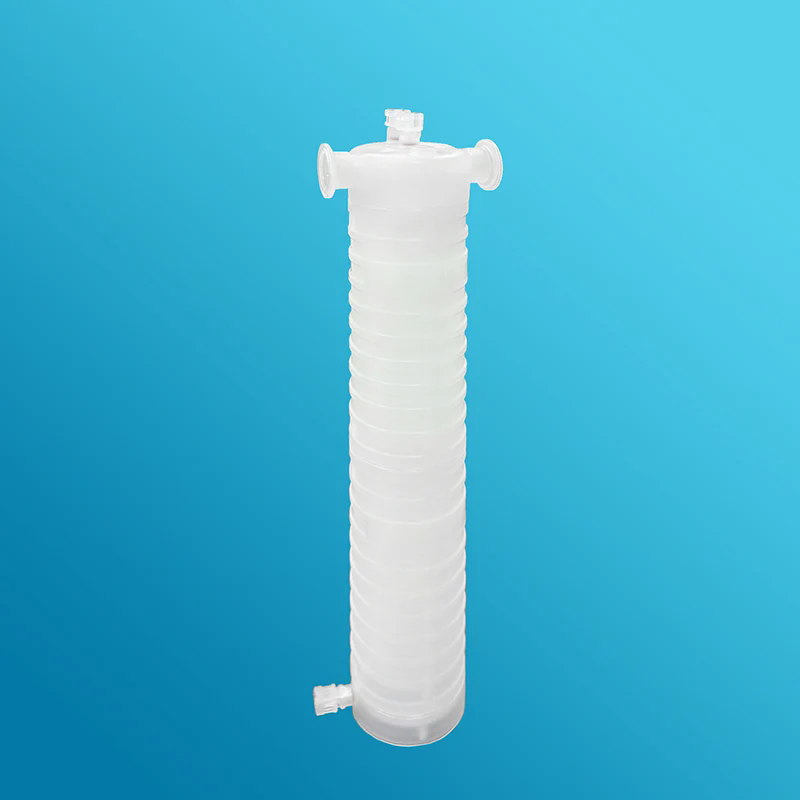
Table of Contents
- Introduction to T-Line Capsule Filters
- Customer Challenges with Traditional Filters
- How T-Line Capsule Filters Work
- Key Benefits
- How to Choose the Right Filter
- Installation and Best Practices
- Frequently Asked Questions
- Conclusion
Introduction to T-Line Capsule Filters
Air filtration is a critical component of maintaining healthy indoor environments, reducing equipment wear, and controlling airborne contaminants. Traditional filter media often struggle with efficiency, frequent replacement cycles, and inconsistent performance. T-Line Capsule Filters represent a modern approach designed to provide higher efficiency, longer life, and lower total cost of ownership.
These filters are engineered for environments where air quality matters—such as manufacturing plants, cleanrooms, laboratories, and HVAC systems supporting critical spaces.
In the sections that follow, we’ll break down what these filters are, how they work, and why they are gaining traction as a reliable solution for demanding filtration challenges.
Customer Challenges with Traditional Filters
Many facilities face similar pain points with standard filters that impact performance and operational efficiency:
- Poor Particle Capture: Low capture rates for fine particulates compromise air quality.
- High Replacement Frequency: Filters clog quickly, increasing downtime and cost.
- Inconsistent Performance: Variations in media quality lead to unpredictable results.
- Energy Penalties: High resistance to airflow increases system energy consumption.
These pain points often translate into increased maintenance costs, lower productivity, and risks to sensitive equipment or processes.
How T-Line Capsule Filters Work
T-Line Capsule Filters use a multi-layered approach to trap particulates more efficiently across a range of particle sizes. The design usually includes:
| Feature | Purpose |
|---|---|
| Advanced Media Layers | Captures large and fine particles without rapid pressure build-up |
| Encapsulated Frame | Prevents bypass and improves seal integrity |
| Optimized Pleat Geometry | Maximizes media surface area for longer life |
| Robust Construction | Supports stable performance under variable airflow conditions |
The combination of these engineering elements enables the filter to maintain higher efficiency over longer periods compared to conventional alternatives.
Key Benefits
Here are the core advantages customers see after adopting T-Line Capsule Filters:
- Improved Air Quality: Higher capture rates for dust, pollen, smoke, and fine particulates.
- Extended Service Life: Media and construction reduce clogging and extend replacement intervals.
- Lower Operating Costs: Reduced frequency of filter changes cuts labor and material expenses.
- Stable Airflow: Lower resistance helps HVAC and filtration systems operate efficiently.
- Consistent Performance: Reliable filtration across varied environmental conditions.
How to Choose the Right Filter
Selecting the right T-Line Capsule Filter depends on your specific operational needs. Consider the following factors:
- Airflow Requirements: Measure your system’s cubic feet per minute (CFM) to size the filter correctly.
- Particle Size Targets: Know the range of particle sizes you need to capture.
- Environmental Conditions: High humidity or dust loads may demand specialized media.
- Budget and Lifecycle Costs: Evaluate long-term performance rather than lowest upfront cost.
A systematic evaluation ensures your filter delivers performance aligned with your expectations and operational demands.
Installation and Best Practices
Proper installation and maintenance are essential for achieving peak filter performance. Follow these best practices:
- Verify Fit: Ensure the filter fits the housing snugly without gaps.
- Seal Integrity: Use proper gaskets or sealing methods to prevent bypass.
- Monitor Differential Pressure: Track pressure changes to determine optimal replacement timing.
- Routine Inspections: Schedule periodic checks to identify issues early.
Consistent attention to installation and maintenance extends service life while minimizing unexpected system disruptions.
Frequently Asked Questions
| Question | Answer |
|---|---|
| What makes T-Line Capsule Filters different from standard filters? | They use advanced media and structural design to capture a broader range of particle sizes with longer service life and lower resistance to airflow. |
| How often should these filters be replaced? | Replacement depends on environmental conditions and usage, but they generally last longer than traditional filters, reducing frequency. |
| Are these filters suitable for all HVAC systems? | They are compatible with most commercial and industrial systems, but size and performance requirements should be verified before purchase. |
| Do they require special maintenance tools? | No special tools are typically needed; regular inspection and differential pressure monitoring are recommended. |
Conclusion
Choosing the right air filtration solution can have a measurable impact on air quality, equipment longevity, and operational costs. T-Line Capsule Filters deliver enhanced performance through engineered media, robust construction, and efficient airflow management. By understanding your system requirements, installation best practices, and filter characteristics, you can make a selection that supports cleaner air and lower total costs over time.
If you’re ready to improve filtration performance at your facility, Kleanteque offers high-quality T-Line Capsule Filters backed by technical support and reliable delivery. Contact us today to discuss your specific needs and get personalized recommendations!