

How Does a Molecular Filter Improve Air Purification Performance?
2026-07-17
Modern industrial environments demand cleaner air than ever before. Whether in pharmaceutical manufacturing, semiconductor production, biotechnology laboratories, hospitals, or precision electronics workshops, airborne molecular contaminants can significantly affect product quality, equipment performance, and human health.
Unlike conventional particle filters that capture dust and aerosols, a Molecular Filter is specifically designed to remove gaseous contaminants, volatile organic compounds (VOCs), odors, acidic gases, alkaline gases, and other molecular pollutants. Choosing the right molecular filtration solution can dramatically improve indoor air quality while protecting sensitive manufacturing processes.
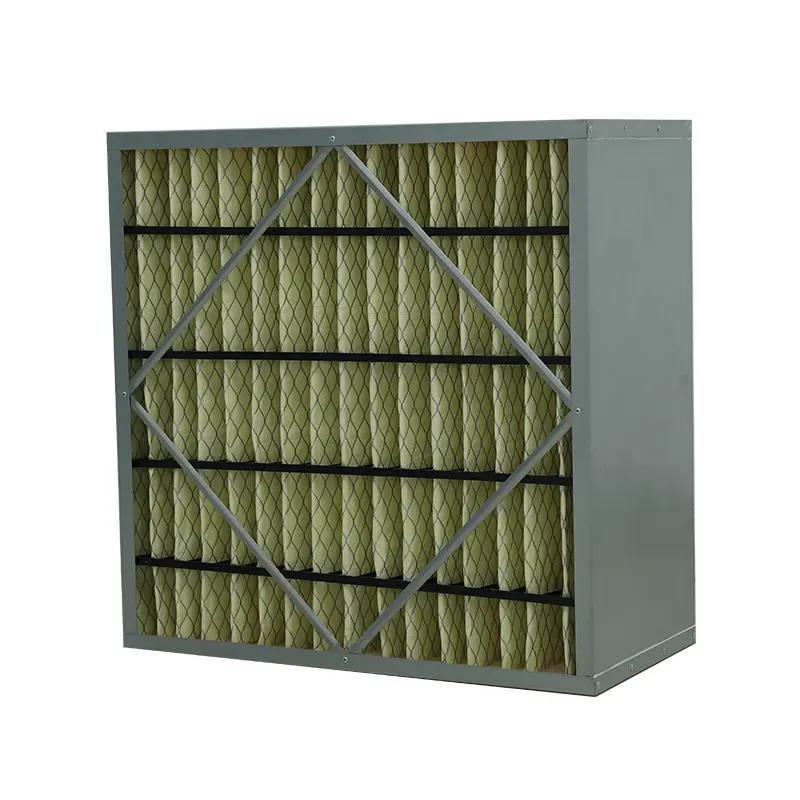
Article Summary
This guide explains how molecular filters work, where they are used, what pollutants they remove, how to choose the right filtration media, and why they are becoming essential across modern cleanroom and industrial applications. It also provides practical purchasing advice to help buyers select reliable molecular filtration systems for long-term performance.
Table of Contents
- How Does a Molecular Filter Work?
- Why Are Molecular Contaminants a Serious Problem?
- Common Types of Molecular Filter Media
- Applications Across Different Industries
- Benefits of Using Molecular Filters
- How to Select the Right Molecular Filter
- Maintenance and Replacement Tips
- Comparison Between Particle Filters and Molecular Filters
- Why Choose Jiangsu Grandfort Purification Equipment Co., Ltd.
- FAQ
How Does a Molecular Filter Work?
A Molecular Filter removes gaseous contaminants through adsorption and chemical reactions rather than simple mechanical filtration. Instead of trapping visible particles, the filter media captures molecules that are often thousands of times smaller than dust.
Most molecular filters contain highly porous materials such as activated carbon, impregnated activated carbon, activated alumina, potassium permanganate media, or specially engineered adsorption materials. These materials have enormous internal surface areas capable of attracting and retaining harmful gas molecules.
As contaminated air passes through the filter media, pollutant molecules become attached to the internal pore surfaces or react chemically with the impregnated compounds. This process removes unwanted gases before clean air continues through the ventilation system.
Because molecular contamination cannot usually be seen by the naked eye, many facilities underestimate its impact until product defects, corrosion, unpleasant odors, or equipment failures begin to appear.
Why Are Molecular Contaminants a Serious Problem?
Molecular contaminants are invisible but can create significant operational challenges across many industries.
- Corrosion of electronic components
- Damage to semiconductor wafers
- Reduced pharmaceutical product quality
- Chemical cross-contamination
- Strong unpleasant odors
- Lower indoor air quality
- Health risks for workers
- Equipment reliability issues
Even concentrations measured in parts per billion (ppb) may negatively affect highly sensitive manufacturing environments. For cleanrooms operating under strict contamination control requirements, molecular filtration is often just as important as particulate filtration.
Common Types of Molecular Filter Media
| Filter Media | Main Target Pollutants | Typical Applications |
|---|---|---|
| Activated Carbon | VOC, odors, solvents | Commercial buildings, hospitals |
| Impregnated Carbon | Acid gases, ammonia, sulfur compounds | Cleanrooms, laboratories |
| Activated Alumina | Moisture, fluoride compounds | Chemical processing |
| Potassium Permanganate Media | Formaldehyde, hydrogen sulfide, sulfur dioxide | Wastewater plants, industrial facilities |
| Customized Composite Media | Mixed chemical contaminants | High-tech manufacturing |
Different contaminants require different adsorption media. A proper gas analysis should be completed before selecting the filtration solution.
Applications Across Different Industries
The use of Molecular Filters continues expanding because many industries now require better environmental control than ever before.
Semiconductor Manufacturing
Ultra-sensitive chips are vulnerable to airborne acids, ammonia, and organic contaminants. Molecular filtration helps reduce yield loss and protects expensive production equipment.
Pharmaceutical Facilities
Clean manufacturing environments require stable air quality to prevent contamination during drug production. Molecular filters help eliminate airborne chemicals while maintaining product consistency.
Hospitals
Medical facilities often generate chemical odors from disinfectants, laboratories, and sterilization equipment. Molecular filtration improves indoor comfort while reducing unwanted gases.
Museums and Archives
Historical documents and artwork are highly sensitive to acidic gases and airborne pollutants. Proper molecular filtration slows material degradation and preserves valuable collections.
Electronics Manufacturing
Corrosive gases can shorten the lifespan of precision electronic components. Removing these contaminants enhances production reliability and minimizes equipment downtime.
Chemical Processing Plants
Industrial facilities often release sulfur compounds, ammonia, chlorine, and other gases. Molecular filters help improve workplace safety while reducing emissions inside enclosed environments.
Benefits of Using Molecular Filters
- Excellent removal efficiency for gaseous contaminants
- Reduced equipment corrosion
- Improved product quality
- Enhanced indoor air quality
- Lower odor levels
- Extended HVAC system lifespan
- Protection for cleanroom environments
- Reduced maintenance costs
- Better compliance with environmental requirements
- Higher operational reliability
Compared with relying solely on particulate filtration, integrating molecular filtration creates a more comprehensive air purification strategy capable of addressing both visible particles and invisible chemical pollutants.
How to Select the Right Molecular Filter
Choosing a Molecular Filter involves more than simply selecting the highest adsorption capacity. Buyers should evaluate several important factors before making an investment.
| Selection Factor | Recommendation |
|---|---|
| Target Contaminants | Identify VOCs, acids, alkalis, sulfur compounds, or mixed gases. |
| Airflow | Match filter capacity with HVAC airflow. |
| Contact Time | Longer residence time generally improves adsorption. |
| Humidity | Consider moisture effects on adsorption efficiency. |
| Operating Temperature | Ensure media suitability for working conditions. |
| Service Life | Estimate replacement intervals based on contamination levels. |
| Installation Space | Select panel, cassette, V-bank, or modular configurations. |
Working with an experienced manufacturer ensures the filter media is customized for the specific chemical environment rather than using a one-size-fits-all solution.
Maintenance and Replacement Tips
Although Molecular Filters require relatively little maintenance, regular inspection is essential for maintaining high purification efficiency.
- Monitor pressure drop regularly.
- Check breakthrough levels of target gases.
- Replace saturated media promptly.
- Maintain proper humidity inside HVAC systems.
- Store replacement filters in sealed packaging.
- Avoid exposing unused filters to contaminated air.
- Schedule preventive maintenance according to operating conditions.
Replacement frequency depends on contaminant concentration, airflow volume, operating hours, and media type. High-contamination environments generally require shorter replacement intervals.
Comparison Between Particle Filters and Molecular Filters
| Feature | Particle Filter | Molecular Filter |
|---|---|---|
| Main Function | Capture dust particles | Remove gaseous contaminants |
| Target Pollutants | PM2.5, dust, fibers | VOC, ammonia, sulfur dioxide, formaldehyde |
| Working Principle | Mechanical interception | Adsorption and chemical reaction |
| Typical Media | Fiberglass, synthetic fibers | Activated carbon, impregnated media |
| Common Applications | General HVAC | Cleanrooms, laboratories, semiconductor plants |
In many advanced facilities, both technologies are installed together. Particle filters remove airborne solids, while molecular filters eliminate invisible gases, providing complete air purification.
Why Choose Jiangsu Grandfort Purification Equipment Co., Ltd.
Jiangsu Grandfort Purification Equipment Co., Ltd. specializes in advanced air purification solutions designed for demanding industrial environments. The company offers a comprehensive range of molecular filtration products engineered to remove various gaseous contaminants while supporting stable and efficient cleanroom operation.
With extensive manufacturing experience, strict quality control, and customized filtration solutions, Jiangsu Grandfort Purification Equipment Co., Ltd. helps customers improve indoor air quality across pharmaceutical facilities, semiconductor factories, healthcare institutions, biotechnology laboratories, electronics manufacturing plants, and many other specialized industries.
By combining reliable filtration media, optimized structural design, and professional technical support, the company delivers long-lasting purification performance that meets the diverse needs of global customers.
Frequently Asked Questions
Q1: What pollutants can a Molecular Filter remove?
It can remove VOCs, formaldehyde, ammonia, sulfur dioxide, hydrogen sulfide, ozone, acidic gases, alkaline gases, and many other airborne molecular contaminants.
Q2: Can Molecular Filters replace HEPA filters?
No. HEPA filters remove particles, while Molecular Filters remove gases. They perform different functions and are often used together.
Q3: How long does a Molecular Filter last?
Service life depends on contaminant concentration, airflow, humidity, and operating conditions. Regular monitoring helps determine the optimal replacement schedule.
Q4: Which industries benefit most from Molecular Filters?
Semiconductor manufacturing, pharmaceutical production, biotechnology, healthcare, electronics manufacturing, museums, archives, laboratories, and chemical processing facilities all benefit significantly.
Q5: Can Molecular Filters be customized?
Yes. Different adsorption media can be selected according to the target contaminants and application requirements, allowing optimized purification performance.
Conclusion
As manufacturing standards continue to rise, controlling invisible gaseous contaminants has become just as important as removing airborne particles. A properly selected Molecular Filter helps protect sensitive equipment, improve production quality, extend HVAC system life, and create healthier indoor environments.
If you are looking for reliable molecular filtration solutions tailored to your specific application, Jiangsu Grandfort Purification Equipment Co., Ltd. provides professional products and technical expertise to help optimize your air purification system. Contact us today to discuss your filtration requirements and discover the ideal molecular filter solution for your facility.