

How Does a Multi-media Filter Work in Water Treatment Systems?
2026-07-06
Article Summary
A Multi-media Filter is a highly efficient water treatment solution designed to remove suspended solids, turbidity, and particulate impurities through layered filtration media. Unlike traditional single-media systems, it combines multiple materials such as anthracite, sand, and garnet to achieve deeper filtration and higher performance stability. This article explains how Multi-media Filters work, their internal structure, advantages, applications, maintenance requirements, and how industries can select the right system. The insights are based on practical engineering principles and real-world industrial water treatment applications, including solutions developed by VLLRO.
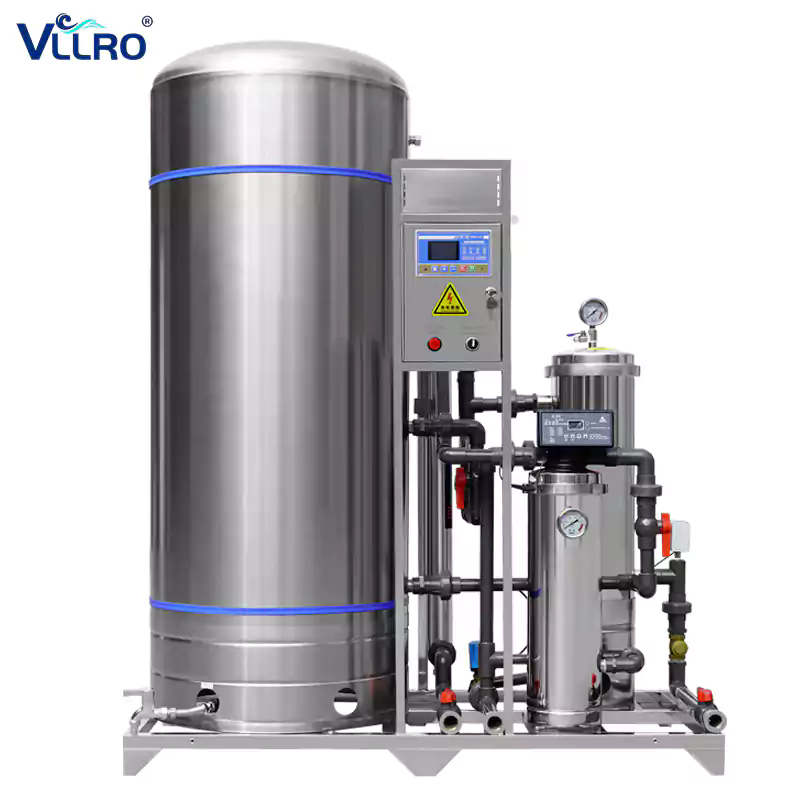
Table of Contents
- Article Outline
- What is a Multi-media Filter?
- How Does a Multi-media Filter Work?
- Key Components of a Multi-media Filter System
- Benefits of Multi-media Filtration
- Industrial Applications
- Maintenance and Operation Guidelines
- How to Choose the Right Multi-media Filter
- Frequently Asked Questions
- Conclusion
Article Outline
- Introduction to Multi-media Filtration Technology
- Working Principle Based on Layered Media Density
- System Structure and Functional Components
- Performance Advantages in Industrial Water Treatment
- Use Cases Across Different Industries
- Operational Best Practices and Maintenance Strategies
- Selection Criteria for Optimal System Design
What is a Multi-media Filter?
A Multi-media Filter is a pressure or gravity-based water filtration system that uses multiple layers of filtration media with different densities and particle sizes. The primary purpose is to remove suspended solids and reduce turbidity in raw water before it enters more sensitive treatment stages such as reverse osmosis, ion exchange, or chemical processing systems.
Unlike single-media filters that rely on one type of material (such as quartz sand), Multi-media Filters integrate layered materials. Each layer performs a specific filtration role, allowing for progressive particle capture throughout the depth of the bed. This structure significantly improves filtration efficiency and extends operational cycles.
How Does a Multi-media Filter Work?
The working principle of a Multi-media Filter is based on depth filtration and density stratification. Water enters the system from the top and passes through multiple layers of media arranged from coarse to fine.
- Top Layer (Anthracite): Captures larger particles and organic matter.
- Middle Layer (Silica Sand): Removes medium-sized suspended solids.
- Bottom Layer (Garnet or Fine Sand): Traps fine particles and ensures high clarity output.
As water flows downward, particles are progressively filtered based on size and density. The multi-layer structure prevents rapid clogging, which is a common issue in single-media filters. Backwashing periodically reverses flow to clean accumulated contaminants and restore filtration efficiency.
Key Components of a Multi-media Filter System
A standard Multi-media Filter system includes several engineered components that work together to ensure stable performance:
| Component | Function |
|---|---|
| Filter Vessel | Pressure-rated tank that holds filtration media |
| Multi-layer Media Bed | Anthracite, sand, and garnet layers for depth filtration |
| Underdrain System | Collects filtered water evenly and supports backwashing |
| Control Valves | Regulate flow direction and operational modes |
| Backwash System | Removes trapped particles and restores media performance |
Advanced systems developed by VLLRO integrate automated control systems to optimize backwash cycles and ensure consistent filtration performance under varying water quality conditions.
Benefits of Multi-media Filtration
Multi-media Filters offer significant advantages over traditional filtration systems, especially in industrial-scale water treatment environments.
- Higher Filtration Efficiency: Multi-layer structure improves particle removal rates.
- Longer Operational Cycles: Reduced clogging leads to fewer backwash interruptions.
- Improved Water Quality: Produces low-turbidity water suitable for advanced treatment.
- Energy Efficiency: Optimized flow reduces pumping energy requirements.
- Durability: Designed for long-term industrial operation with minimal degradation.
These benefits make Multi-media Filters a preferred choice in municipal water plants, industrial processing systems, and pre-treatment stages for high-purity water production.
Industrial Applications
Multi-media Filters are widely used across multiple industries due to their versatility and reliability.
- Municipal drinking water treatment plants
- Industrial wastewater treatment systems
- Food and beverage production facilities
- Power plant cooling water systems
- Pharmaceutical pre-treatment systems
- Desalination pre-filtration systems
In each of these applications, the system ensures stable water quality, protecting downstream equipment from fouling and scaling issues.
Maintenance and Operation Guidelines
Proper maintenance is essential to ensure long-term efficiency of a Multi-media Filter system.
- Regular backwashing based on pressure differential or time schedule
- Monitoring turbidity levels of influent and effluent water
- Inspecting media bed condition annually
- Replacing or replenishing filtration media when necessary
- Checking valve and control system functionality
Systems designed by VLLRO often include automated monitoring features that reduce manual intervention and improve operational reliability.
How to Choose the Right Multi-media Filter
Selecting an appropriate Multi-media Filter depends on several technical and operational factors.
- Raw Water Quality: Turbidity, suspended solids concentration, and contamination type
- Flow Rate Requirements: System capacity must match industrial demand
- Space Availability: Vertical or horizontal vessel design considerations
- Automation Level: Manual vs. fully automated control systems
- Material Quality: Corrosion resistance and durability of vessel and media
Engineering consultation is often recommended to ensure optimal system configuration and long-term efficiency.
Frequently Asked Questions
Q1: What is the main purpose of a Multi-media Filter?
It is used to remove suspended solids and reduce turbidity in water before further treatment stages.
Q2: How often should backwashing be performed?
Typically, it depends on water quality and pressure drop, but it may range from daily to weekly operation.
Q3: Can Multi-media Filters handle industrial wastewater?
Yes, they are widely used in industrial wastewater pre-treatment systems.
Q4: What makes Multi-media Filters better than sand filters?
They provide deeper filtration, longer cycles, and higher efficiency due to layered media structure.
Q5: Does VLLRO provide customized systems?
Yes, VLLRO offers tailored Multi-media Filter solutions based on specific industrial requirements.
Conclusion
Multi-media Filters represent a critical advancement in modern water treatment engineering. By combining multiple filtration media layers, they achieve superior removal of suspended solids while maintaining stable operational efficiency. Their adaptability across industries makes them essential for both municipal and industrial applications.
With engineered solutions from VLLRO, businesses can achieve reliable water purification performance, reduce operational downtime, and enhance overall system efficiency. Whether used as a pre-treatment stage or a standalone filtration unit, Multi-media Filters remain a cornerstone of effective water management systems.
For professional consultation and customized solutions, contact us today at VLLRO to explore how our Multi-media Filter systems can optimize your water treatment process.