

How Does a Spirometry Filter Protect Respiratory Testing Accuracy?
2026-06-22
Article Summary: This article explains the role of a spirometry filter in respiratory testing systems, how it improves measurement accuracy, protects patients and equipment, and ensures hygienic testing environments. It also explores types, applications, selection criteria, and maintenance guidance to help healthcare providers and procurement teams make informed decisions.
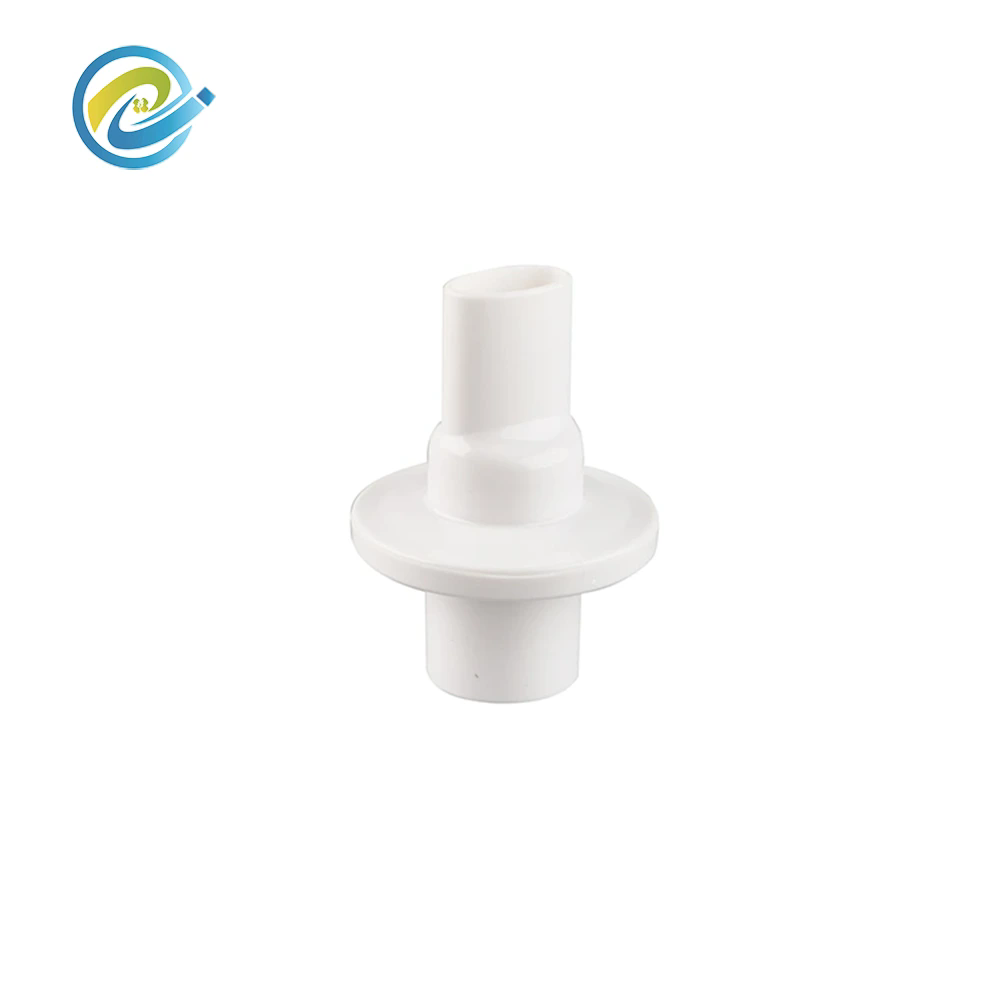
Table of Contents
- 1. Overview of Spirometry Filters
- 2. Why Spirometry Filters Matter in Clinical Testing
- 3. How a Spirometry Filter Works
- 4. Types of Spirometry Filters
- 5. Key Benefits in Medical Practice
- 6. Clinical and Diagnostic Applications
- 7. How to Choose the Right Spirometry Filter
- 8. Maintenance and Usage Guidelines
- 9. Spirometry Filter Comparison Table
- 10. Frequently Asked Questions
1. Overview of Spirometry Filters
A spirometry filter is a critical single-use or reusable component used in pulmonary function testing systems. It is designed to prevent cross-contamination between patients while ensuring accurate measurement of lung capacity and airflow. In modern respiratory diagnostics, infection control and measurement precision are equally important, and spirometry filters play a central role in achieving both objectives.
Healthcare institutions, diagnostic centers, and hospitals rely on high-quality filtration devices supplied by manufacturers such as Jianeng Medical, which focuses on respiratory care accessories designed for safety, consistency, and clinical reliability.
2. Why Spirometry Filters Matter in Clinical Testing
Spirometry testing requires patients to exhale forcefully into a device. Without a protective filter, microorganisms, droplets, and aerosols can enter the spirometer system and potentially infect subsequent users. This creates a significant infection control risk, particularly in high-volume clinical environments.
- Prevents cross-infection between patients
- Protects sensitive spirometry equipment from contamination
- Ensures compliance with hospital hygiene protocols
- Improves long-term device performance
By integrating advanced filtration materials, modern spirometry filters help healthcare providers maintain both diagnostic integrity and patient safety.
3. How a Spirometry Filter Works
A spirometry filter functions by capturing airborne particles during inhalation and exhalation cycles. It typically uses electrostatic or mechanical filtration technology to trap bacteria, viruses, and particulate matter while allowing unobstructed airflow for accurate measurement.
The process can be summarized as follows:
- Patient exhales into mouthpiece connected to filter
- Air passes through filtration media
- Contaminants are trapped within filter fibers
- Clean air flows into spirometer sensors
- Accurate respiratory data is recorded
Manufacturers like Jianeng Medical design filters to maintain low airflow resistance while maximizing filtration efficiency, ensuring both comfort and precision.
4. Types of Spirometry Filters
Spirometry filters are generally categorized based on design, filtration method, and usage type:
- Disposable Filters: Single-use filters that ensure maximum hygiene and eliminate cross-contamination risks.
- Reusable Filters: Designed for multiple uses with proper sterilization, typically used in specialized environments.
- Electrostatic Filters: Use charged fibers to attract and trap airborne particles.
- Mechanical Filters: Rely on dense fiber mesh to physically block contaminants.
Each type has unique advantages depending on clinical workload, budget constraints, and infection control policies.
5. Key Benefits in Medical Practice
Spirometry filters deliver multiple benefits that directly impact healthcare quality and operational efficiency:
- Enhanced patient safety through contamination prevention
- Improved diagnostic accuracy by stabilizing airflow readings
- Reduced equipment maintenance costs
- Streamlined clinical workflow in busy testing environments
- Compliance with international respiratory testing standards
These benefits make spirometry filters indispensable in modern pulmonary diagnostics, particularly in hospitals with high patient throughput.
6. Clinical and Diagnostic Applications
Spirometry filters are widely used in various healthcare settings, including:
- Pulmonary function laboratories
- General hospitals and outpatient clinics
- Occupational health screening centers
- Research institutions studying respiratory diseases
- Pre-employment medical examination facilities
In all these environments, Jianeng Medical spirometry filters support consistent diagnostic outcomes and reliable infection prevention strategies.
7. How to Choose the Right Spirometry Filter
Selecting the correct spirometry filter requires careful evaluation of clinical requirements and technical specifications. Key considerations include:
- Filtration Efficiency: Ability to block bacteria and viral particles
- Airflow Resistance: Should not interfere with test accuracy
- Compatibility: Must fit spirometry device models
- Hygiene Standards: Compliance with medical safety regulations
- Cost Efficiency: Balance between performance and budget
Suppliers like Jianeng Medical provide product specifications that help healthcare procurement teams match filters with clinical needs effectively.
8. Maintenance and Usage Guidelines
Although many spirometry filters are disposable, proper handling is essential for maintaining hygiene and performance consistency.
- Always replace filters between patients
- Store filters in dry, dust-free environments
- Avoid using damaged or expired filters
- Follow manufacturer installation instructions
- Dispose of used filters according to medical waste protocols
These practices ensure that respiratory testing remains accurate and safe across all clinical operations.
9. Spirometry Filter Comparison Table
| Filter Type | Usage | Filtration Method | Main Advantage | Best Application |
|---|---|---|---|---|
| Disposable Filter | Single-use | Mechanical/Electrostatic | Highest hygiene level | Hospitals, clinics |
| Reusable Filter | Multiple-use | Mechanical | Cost-efficient long term | Research labs |
| Electrostatic Filter | Single-use or limited reuse | Charged fibers | High efficiency, low resistance | High-precision testing |
| Mechanical Filter | Single-use/reusable | Fiber mesh | Durable structure | General diagnostics |
10. Frequently Asked Questions
Q1: Why is a spirometry filter necessary?
It prevents cross-contamination between patients and protects spirometry equipment from biological contamination.
Q2: Can spirometry filters affect test results?
High-quality filters are designed to minimize airflow resistance, ensuring accurate test results without distortion.
Q3: How often should filters be replaced?
Disposable filters should be replaced after each patient use.
Q4: Are all spirometry filters universal?
No, compatibility depends on the spirometry device model and manufacturer specifications.
Q5: What makes Jianeng Medical spirometry filters reliable?
They are designed with strict quality control standards, ensuring consistent filtration performance and clinical safety across different healthcare environments.
Conclusion
Spirometry filters are essential components in modern respiratory diagnostics, ensuring both patient safety and data accuracy. From infection prevention to equipment protection, their role is indispensable in clinical workflows. Selecting high-quality filters from trusted suppliers like Jianeng Medical helps healthcare providers maintain consistent diagnostic standards and operational efficiency.
For hospitals, clinics, and medical distributors seeking dependable respiratory solutions, choosing the right spirometry filter can significantly improve patient outcomes and testing reliability.
Jianeng Medical invites you to contact us for professional spirometry filter solutions, product specifications, and customized supply support tailored to your clinical needs.