

How Does a Truck Filter Improve Vehicle Performance and Longevity?
2026-01-26
Article Abstract
Truck filters play a crucial role in maintaining engine efficiency, fuel economy, and overall vehicle performance. By preventing contaminants from entering critical systems, filters safeguard engine components and extend operational life. This article provides an in-depth overview of truck filter types, their technical specifications, maintenance best practices, and selection considerations. It also addresses common questions to help fleet managers, mechanics, and truck owners make informed decisions.
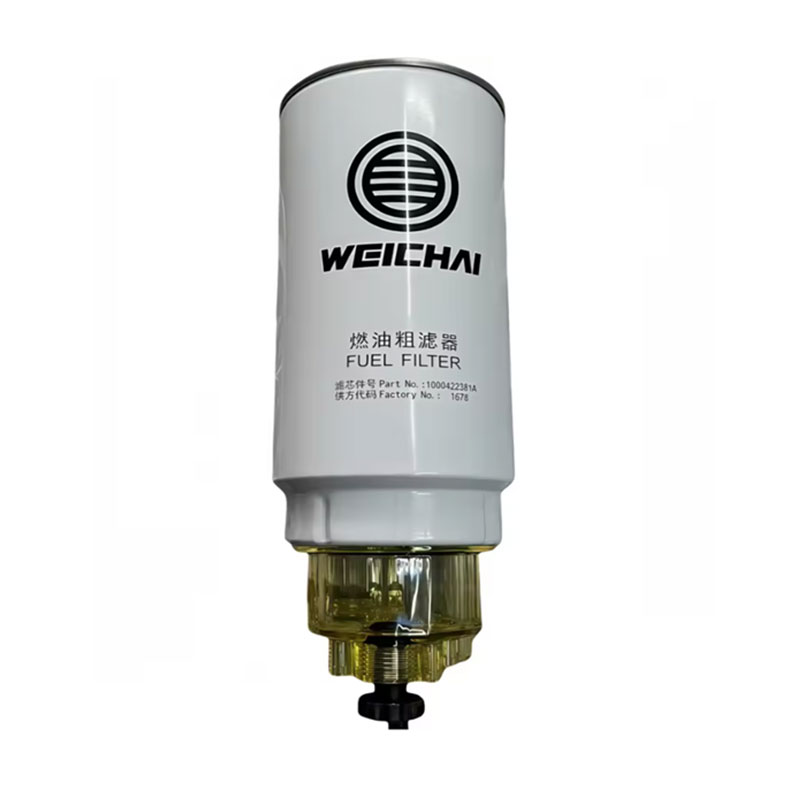
Table of Contents
- Article Outline
- Truck Filter Overview
- Types of Truck Filters
- Technical Parameters and Specifications
- Maintenance and Replacement Guidelines
- Frequently Asked Questions
- Conclusion and Contact Information
Article Outline
- Introduction to truck filters and their importance
- Classification of truck filters by function and application
- Technical parameters and performance indicators
- Maintenance practices and replacement schedules
- FAQs addressing operational and selection concerns
- Brand and contact guidance for purchase and support
Truck Filter Overview
Truck filters are essential components designed to protect the engine, fuel system, and other critical subsystems from contaminants such as dust, debris, and chemical residues. A high-quality truck filter ensures that fuel, oil, and air entering the engine are clean, reducing wear, maintaining optimal combustion efficiency, and minimizing downtime.
The central purpose of truck filters is to enhance vehicle reliability, improve fuel economy, and extend engine lifespan. Modern truck filters are engineered with advanced materials and precision design, allowing them to withstand high pressures, extreme temperatures, and prolonged operational cycles.
Types of Truck Filters
Truck filters are classified based on the system they serve and the type of contaminants they remove. Common categories include:
- Air Filters: Remove dust, pollen, and airborne particles from incoming air to protect the engine combustion chamber.
- Oil Filters: Capture metal particles, carbon deposits, and sludge from engine oil to prevent component damage.
- Fuel Filters: Eliminate dirt, rust, and microbial growth in diesel or gasoline fuel to maintain clean fuel injection and efficient combustion.
- Cabin Air Filters: Ensure clean air inside the truck cabin by filtering dust, pollen, and harmful airborne particles.
Selecting the correct filter type is critical for each truck system. Compatibility with engine models, operating conditions, and environmental factors must be considered to ensure optimal protection.
Technical Parameters and Specifications
The following table summarizes common technical specifications for truck filters, highlighting performance and design considerations.
| Filter Type | Material | Efficiency | Operating Temperature | Service Life |
|---|---|---|---|---|
| Air Filter | Pleated Paper, Synthetic Fiber | ≥98% particle capture (≥5 microns) | -40°C to 125°C | 15,000–30,000 km or 12 months |
| Oil Filter | Cellulose, Synthetic Media | ≥95% particle capture (≥20 microns) | -30°C to 150°C | 10,000–20,000 km |
| Fuel Filter | Cellulose, Microglass | ≥99% particle capture (≥10 microns) | -30°C to 100°C | 20,000–40,000 km |
| Cabin Air Filter | Electrostatic Paper, Activated Carbon | ≥95% particle capture (≥1 micron) | -20°C to 80°C | 12 months |
Maintenance and Replacement Guidelines
Proper maintenance of truck filters is essential to preserve engine efficiency and prevent unexpected breakdowns. Key considerations include:
- Adhering to manufacturer-recommended replacement intervals based on mileage or time.
- Inspecting filters for physical damage, clogging, or unusual odor.
- Using genuine replacement filters that meet original equipment specifications.
- Ensuring proper installation, sealing, and alignment during replacement.
- Monitoring fuel and oil quality to prevent accelerated filter degradation.
Regular maintenance reduces operational costs, extends component life, and supports environmental compliance by preventing pollutants from escaping through exhaust systems.
Frequently Asked Questions
Q: How often should truck filters be replaced?
A: Replacement frequency depends on filter type and operating conditions. Air filters typically require replacement every 15,000–30,000 km, oil filters every 10,000–20,000 km, fuel filters every 20,000–40,000 km, and cabin air filters annually.
Q: Can using non-genuine filters affect truck performance?
A: Yes. Non-genuine filters may have lower efficiency, reduced durability, and improper fit, potentially causing engine wear, reduced fuel efficiency, and increased maintenance costs.
Q: How can truck owners identify a clogged filter?
A: Signs include reduced engine power, increased fuel consumption, unusual exhaust smoke, or airflow restrictions in the cabin. Regular inspections can detect issues before performance is impacted.
Conclusion and Contact Information
Truck filters are integral to vehicle performance, engine longevity, and operational efficiency. Selecting the right filter type, following maintenance guidelines, and using high-quality components ensures maximum protection and reliability.
Shengkundada Import and Export Trading Co., Ltd. offers a comprehensive range of truck filters engineered to meet global standards. For inquiries about product specifications, bulk orders, or personalized technical guidance, please contact us to discuss your fleet’s needs and ensure optimal vehicle performance.