Article Summary
Medical filtration plays a critical role in modern healthcare by ensuring the purity, safety, and reliability of fluids, gases, and biological materials used in medical applications. A high-quality Medical Filter helps hospitals, laboratories, pharmaceutical companies, and medical equipment manufacturers reduce contamination risks, improve operational efficiency, and maintain strict hygiene standards.
This article explains how Medical Filter technology works, why filtration quality matters, common challenges faced by healthcare industries, and how professional filtration solutions from HTSY® can help customers achieve safer and more stable medical processes.
Article Outline
-
Understanding the role of Medical Filter technology
-
Exploring filtration applications in healthcare environments
-
Analyzing common customer challenges and solutions
-
Comparing different filtration options
-
Learning how HTSY® provides reliable medical filtration support
What Is a Medical Filter?
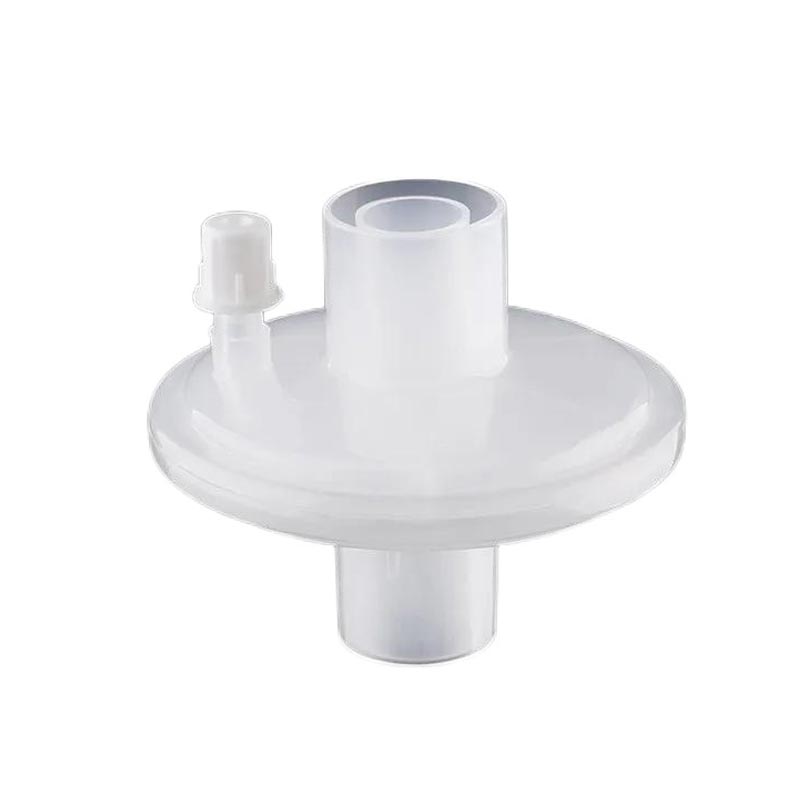
A Medical Filter is a specialized filtration component designed to remove unwanted particles, microorganisms, impurities, and contaminants from medical fluids or gases. It is widely used in healthcare equipment, laboratory systems, pharmaceutical production, respiratory devices, infusion systems, and other critical medical applications.
Unlike ordinary industrial filters, medical filtration products must meet higher requirements for cleanliness, precision, material safety, and reliability. Even small contaminants can affect patient safety, equipment performance, and medical process accuracy. Therefore, Medical Filter solutions are engineered with advanced materials and strict manufacturing processes.
HTSY® focuses on developing dependable medical filtration solutions that support different healthcare applications. By combining filtration technology with quality control, HTSY® helps customers create safer medical environments and improve the reliability of their systems.
Why Is Medical Filtration Important in Healthcare?
Healthcare environments require extremely high standards because filtration directly influences safety and performance. A suitable Medical Filter can provide multiple benefits:
|
Key Benefit
|
Impact on Healthcare Applications
|
|
Contamination Control
|
Helps remove harmful particles and microorganisms to improve safety.
|
|
Equipment Protection
|
Prevents impurities from damaging sensitive medical devices.
|
|
Process Stability
|
Maintains consistent filtration performance during continuous operation.
|
|
Improved Patient Protection
|
Supports cleaner medical procedures and safer healthcare conditions.
|
From operating rooms to pharmaceutical production lines, filtration systems provide an essential barrier against potential risks. Choosing the correct Medical Filter is not only a technical decision but also an important part of healthcare quality management.
How Does a Medical Filter Work?
Medical Filters generally operate through a combination of physical filtration mechanisms and specialized filter materials. When liquids or gases pass through the filter element, contaminants are trapped while purified media continues through the system.
The working process usually includes the following steps:
-
Media Entry: Medical fluids or gases enter the filtration system.
-
Particle Separation: The filter material captures unwanted particles based on pore size and filtration structure.
-
Clean Output: Filtered media flows into the next stage of medical equipment or processing.
-
Monitoring and Replacement: The filter is checked regularly to maintain stable performance.
The effectiveness of a Medical Filter depends on several factors, including filtration accuracy, material compatibility, flow rate, pressure resistance, and application environment.
What Types of Medical Filters Are Commonly Used?
Different medical applications require different filtration solutions. Selecting the appropriate type can significantly improve system efficiency.
|
Filter Type
|
Main Application
|
Major Advantages
|
|
Air Medical Filter
|
Respiratory equipment and medical ventilation systems
|
Helps provide cleaner airflow and reduce airborne contamination.
|
|
Liquid Medical Filter
|
Infusion, laboratory, and fluid processing systems
|
Improves liquid purity and prevents particle contamination.
|
|
Membrane Filter
|
Laboratory and pharmaceutical applications
|
Provides precise filtration and excellent separation capability.
|
|
Sterile Filter
|
High-cleanliness medical processes
|
Supports strict hygiene and safety requirements.
|
Each filtration solution should be selected according to the specific requirements of the application, including operating conditions, material compatibility, and required filtration precision.
What Problems Can Medical Filters Help Solve?
Many healthcare organizations face challenges related to contamination risks, equipment reliability, and maintenance costs. A properly designed Medical Filter can address these common problems:
-
Reducing contamination risks: Advanced filtration structures help capture unwanted particles before they affect medical processes.
-
Protecting expensive equipment: Clean fluids and gases reduce wear and improve equipment lifespan.
-
Maintaining stable performance: Reliable filters help medical systems operate consistently.
-
Lowering maintenance pressure: Efficient filtration reduces frequent cleaning and unexpected downtime.
For healthcare providers and medical equipment manufacturers, choosing a dependable filtration partner is essential for long-term operational success.
How to Choose the Right Medical Filter?
Selecting a Medical Filter requires careful evaluation of technical requirements and application conditions. Customers should consider the following factors:
|
Selection Factor
|
Why It Matters
|
|
Filtration Accuracy
|
Determines the size and amount of particles that can be removed.
|
|
Material Safety
|
Ensures compatibility with medical applications and operating environments.
|
|
Flow Capacity
|
Ensures the filter can support required system performance.
|
|
Durability
|
Improves service life and reduces replacement frequency.
|
|
Customization Capability
|
Allows solutions to match specific equipment requirements.
|
Working with an experienced manufacturer can simplify the selection process and help customers avoid performance issues caused by unsuitable filtration products.
Why Choose HTSY® Medical Filter Solutions?
HTSY® understands the strict requirements of medical filtration applications and provides professional solutions designed for reliability, efficiency, and safety.
-
Professional Manufacturing Experience: HTSY® applies advanced production technology and quality control systems to ensure consistent product performance.
-
Application-Focused Solutions: Different industries have different filtration requirements. HTSY® provides solutions based on customer needs and application scenarios.
-
Reliable Product Quality: Careful material selection and manufacturing management help ensure stable filtration performance.
-
Technical Support: HTSY® assists customers in choosing suitable filtration solutions for their systems.
By focusing on innovation and customer requirements, HTSY® continues to provide medical filtration products that support safer and more efficient healthcare operations.
How to Maintain Medical Filters for Better Performance?
Proper maintenance is essential for keeping Medical Filter systems operating effectively. Recommended practices include:
-
Regularly inspect filter conditions according to operating requirements.
-
Replace filters at appropriate intervals to avoid reduced performance.
-
Monitor pressure changes that may indicate blockage or reduced efficiency.
-
Use filters according to manufacturer recommendations.
-
Store unused filters in clean and suitable environments.
Effective maintenance not only improves filtration results but also helps reduce operational costs and improve system reliability.
Frequently Asked Questions
1. What is the main purpose of a Medical Filter?
A Medical Filter is designed to remove contaminants from medical fluids or gases, helping improve safety, cleanliness, and equipment reliability.
2. Where are Medical Filters commonly used?
Medical Filters are widely used in hospitals, laboratories, pharmaceutical facilities, respiratory equipment, and various medical systems.
3. How often should a Medical Filter be replaced?
Replacement frequency depends on application conditions, usage intensity, contamination levels, and manufacturer recommendations.
4. Can HTSY® provide customized Medical Filter solutions?
Yes. HTSY® can provide filtration solutions according to different application requirements, equipment specifications, and customer needs.
5. Why is filtration accuracy important in medical applications?
Filtration accuracy determines how effectively contaminants are removed, which directly influences system safety and performance.
Conclusion
Medical Filter technology is an essential component in modern healthcare systems, providing reliable protection against contamination and supporting safer medical operations. From hospitals and laboratories to pharmaceutical applications, high-quality filtration solutions help improve efficiency, reliability, and safety.
HTSY® is committed to delivering dependable Medical Filter solutions that meet diverse customer requirements. If you need professional filtration products or customized medical filtration support, please contact us to discuss the right solution for your application.