

What Is a Hydraulic Filter and Why Is It Essential for Hydraulic System Performance?
2026-09-03
Article Summary
A hydraulic system depends on clean fluid to deliver stable power, precise movement, and long service life. However, contamination from dust, metal particles, moisture, and internal wear can quickly reduce equipment efficiency and cause unexpected failures. A hydraulic filter is a critical component designed to remove harmful contaminants from hydraulic oil and protect important components such as pumps, valves, cylinders, and actuators.
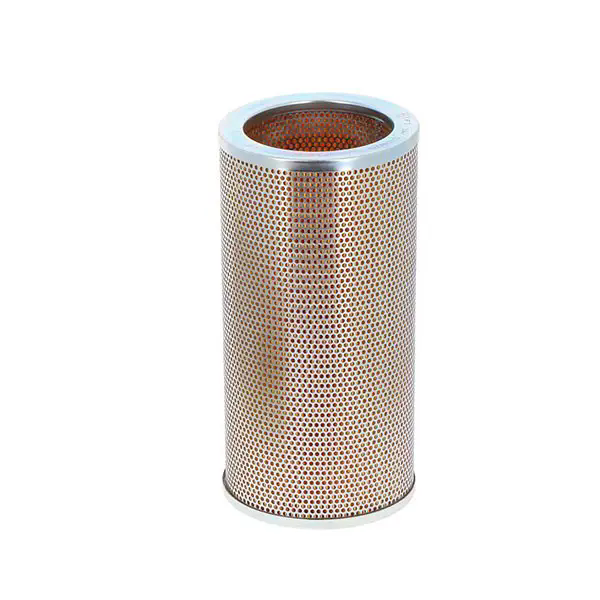
This article explains what a hydraulic filter is, why it matters, how it works, different filter types, common selection mistakes, maintenance methods, and how businesses can improve equipment reliability through proper filtration solutions. Zhejiang Zhenhang International Trade Co., Ltd. provides professional filtration solutions designed to meet different industrial hydraulic applications.
Table of Contents
- What Is a Hydraulic Filter?
- Why Is a Hydraulic Filter Important?
- How Does a Hydraulic Filter Work?
- What Are the Main Types of Hydraulic Filters?
- What Benefits Can Hydraulic Filters Provide?
- How to Choose the Right Hydraulic Filter?
- How to Maintain Hydraulic Filters?
- Frequently Asked Questions About Hydraulic Filters
Article Outline
- Understanding the role of hydraulic filtration in modern machinery
- Reasons contamination creates hydraulic system failures
- Working principles and filtration processes
- Different hydraulic filter structures and applications
- Selection and maintenance recommendations
- Professional solutions for industrial users
What Is a Hydraulic Filter?
A hydraulic filter is a precision filtration component used to remove contaminants from hydraulic fluid before those contaminants damage the hydraulic system. Hydraulic oil does more than transfer power. It also lubricates moving components, helps control temperature, and maintains smooth operation between mechanical parts. When the oil becomes contaminated, the entire hydraulic system faces increased risks.
During machine operation, various particles can enter hydraulic fluid. These contaminants may come from external dust, manufacturing residues, worn metal parts, degraded seals, or chemical changes inside the oil. Without effective filtration, these particles continuously circulate through pumps, valves, and actuators, causing abrasion and reducing component accuracy.
A hydraulic filter works as a protective barrier. It captures unwanted particles while allowing clean hydraulic fluid to continue circulating. This simple but important process helps maintain system cleanliness and prevents expensive repairs.
| Hydraulic Filter Function | Description |
|---|---|
| Contaminant Removal | Captures dust, metal particles, sludge, and other impurities from hydraulic oil. |
| Component Protection | Protects pumps, valves, motors, and actuators from abrasive damage. |
| Oil Cleanliness Control | Maintains hydraulic fluid quality for stable machine operation. |
| System Reliability Improvement | Reduces unexpected failures and extends equipment service life. |
Why Is a Hydraulic Filter Important?
Hydraulic systems often operate under high pressure and require extremely precise control. Even very small particles can interfere with the clearance between internal components. When contamination accumulates, it can accelerate wear, reduce efficiency, and create production interruptions.
Many industrial machines, including construction equipment, injection molding machines, agricultural machinery, mining equipment, and manufacturing systems, rely heavily on hydraulic power. A suitable hydraulic filter helps these machines maintain consistent performance by controlling contamination levels.
The main reasons hydraulic filters are essential include:
- Preventing premature component failure: Clean hydraulic oil reduces friction and abrasive wear inside the system.
- Maintaining stable performance: Proper filtration helps hydraulic components respond accurately.
- Reducing maintenance costs: Fewer breakdowns mean lower repair expenses and less downtime.
- Extending hydraulic oil lifespan: Removing contaminants slows oil degradation.
| Without Hydraulic Filtration | With Proper Hydraulic Filtration |
|---|---|
| Frequent component wear | Improved equipment durability |
| Higher maintenance frequency | Longer replacement intervals |
| Unstable hydraulic performance | Reliable operation |
| Increased operating costs | Better cost control |
How Does a Hydraulic Filter Work?
A hydraulic filter operates by forcing contaminated hydraulic oil through a specially designed filtration medium. The filter element contains multiple layers of materials that trap particles while allowing clean oil to pass through.
The filtration process generally follows these steps:
- Contaminated hydraulic oil enters the filter housing through the inlet port.
- The oil passes through the filter element, where particles are captured by the filtration material.
- Clean hydraulic oil exits the filter and returns to the hydraulic circuit.
- Captured contaminants remain inside the filter element until maintenance or replacement is required.
Different filter materials provide different filtration performance. Common materials include synthetic fibers, cellulose media, and metal mesh. The correct choice depends on operating pressure, required cleanliness level, fluid type, and application environment.
What Are the Main Types of Hydraulic Filters?
Hydraulic filters are designed according to their installation position and filtration purpose. Choosing the correct type ensures that sensitive components receive suitable protection.
| Filter Type | Installation Position | Main Purpose |
|---|---|---|
| Suction Filter | Before hydraulic pump | Protects the pump from large contaminants. |
| Pressure Filter | After the pump | Removes fine particles before oil reaches precision components. |
| Return Line Filter | Before oil returns to reservoir | Captures contaminants generated during operation. |
| Offline Filter | Independent filtration loop | Provides continuous oil cleaning without stopping operation. |
| Breather Filter | Hydraulic tank air inlet | Prevents airborne contaminants from entering the system. |
What Benefits Can Hydraulic Filters Provide?
Installing a suitable hydraulic filter brings significant advantages to industrial equipment operators. Since hydraulic systems often represent a major investment, protecting internal components is one of the most effective ways to improve productivity and reduce long-term operating expenses.
A high-quality hydraulic filter does not simply remove visible dirt. It controls microscopic contamination that can negatively affect system performance. By maintaining cleaner hydraulic fluid, companies can achieve more stable operation and reduce the risks associated with unexpected machine shutdowns.
| Benefit | Impact on Hydraulic Systems |
|---|---|
| Longer Equipment Service Life | Reduces internal wear and helps hydraulic components operate efficiently for a longer period. |
| Improved Machine Accuracy | Cleaner oil supports precise movement of hydraulic valves and actuators. |
| Lower Maintenance Costs | Reduces the frequency of repairs and replacement of expensive components. |
| Better Energy Efficiency | Clean hydraulic systems experience less resistance and operate more effectively. |
| Reduced Production Downtime | Prevents failures caused by excessive contamination and oil deterioration. |
For industries where continuous operation is essential, such as manufacturing, construction, and heavy equipment applications, hydraulic filtration plays a key role in maintaining productivity.
How to Choose the Right Hydraulic Filter?
Selecting the correct hydraulic filter requires careful consideration of several technical factors. A filter that does not match the hydraulic system may fail to provide sufficient protection or may create unnecessary pressure loss.
Before purchasing a hydraulic filter, users should evaluate the following aspects:
- Filtration Accuracy: Determine the required micron rating according to system cleanliness requirements and component sensitivity.
- Operating Pressure: Select a filter that can withstand the maximum pressure conditions of the hydraulic system.
- Flow Rate: Ensure that the filter supports the required hydraulic oil flow without restricting performance.
- Filter Material: Choose suitable filter media according to oil type, temperature, and working environment.
- Installation Position: Consider whether suction, pressure, return line, or offline filtration is required.
- Maintenance Requirements: Select a design that allows convenient inspection and replacement.
| Selection Factor | Important Consideration |
|---|---|
| Micron Rating | Determines the size of particles removed from hydraulic fluid. |
| Pressure Capacity | Must match the hydraulic system working pressure. |
| Flow Compatibility | Prevents pressure drop and ensures smooth operation. |
| Environmental Conditions | Accounts for temperature, humidity, dust, and industrial conditions. |
Working with an experienced supplier helps companies avoid incorrect filter selection. Zhejiang Zhenhang International Trade Co., Ltd. focuses on providing reliable filtration products and professional solutions for different hydraulic applications, helping customers improve equipment reliability and operational efficiency.
How to Maintain Hydraulic Filters?
Regular maintenance is essential for keeping hydraulic filters working effectively. Even the best filter will lose performance when it reaches its contamination capacity or operates beyond its recommended service period.
Proper hydraulic filter maintenance includes the following practices:
- Check Filter Condition Regularly: Inspect the filter element and monitor pressure changes to identify possible blockage.
- Replace Filters According to Operating Conditions: Replacement intervals should consider machine usage, working environment, and contamination levels.
- Monitor Hydraulic Oil Quality: Dirty or degraded oil can shorten filter life and affect system performance.
- Keep Installation Areas Clean: Prevent external contaminants from entering during filter replacement.
- Use Compatible Replacement Parts: Incorrect filter specifications may reduce filtration efficiency.
| Maintenance Task | Recommended Action |
|---|---|
| Visual Inspection | Check for leakage, damage, or abnormal conditions. |
| Pressure Monitoring | Observe pressure differences to identify filter blockage. |
| Filter Replacement | Replace according to equipment requirements and operating conditions. |
| Oil Testing | Analyze contamination levels and hydraulic fluid condition. |
Common Problems Caused by Poor Hydraulic Filtration
Many hydraulic system failures are directly related to insufficient contamination control. Understanding these problems allows operators to take preventive action before serious damage occurs.
- Valve Malfunction: Small particles may interfere with valve movement and reduce control accuracy.
- Pump Wear: Contaminated oil can damage pump surfaces and reduce efficiency.
- High Operating Temperature: Increased friction caused by dirty oil may generate excessive heat.
- Frequent Component Replacement: Poor filtration accelerates the aging process of hydraulic components.
- Unstable Machine Performance: Contaminants can cause inconsistent hydraulic pressure and movement.
Why Choose Professional Hydraulic Filter Solutions?
Industrial users require filtration products that provide consistent performance under demanding working conditions. Professional hydraulic filter solutions are developed with attention to filtration efficiency, durability, compatibility, and application requirements.
A reliable supplier can help customers select suitable filter structures, filtration ratings, and replacement solutions based on their specific equipment needs. This reduces trial-and-error costs and improves overall system protection.
Zhejiang Zhenhang International Trade Co., Ltd. is committed to delivering dependable hydraulic filtration solutions for customers requiring stable quality and efficient hydraulic system protection. Through professional product support and application experience, the company helps industries maintain cleaner hydraulic systems and achieve better equipment performance.
Frequently Asked Questions About Hydraulic Filters
Q1: How often should a hydraulic filter be replaced?
The replacement frequency depends on operating conditions, contamination levels, machine workload, and manufacturer recommendations. Equipment operating in dusty or heavy-duty environments may require more frequent replacement.
Q2: What happens if a hydraulic filter becomes clogged?
A clogged hydraulic filter can restrict oil flow, increase pressure loss, reduce system efficiency, and potentially cause damage to hydraulic components.
Q3: Can one hydraulic filter be used for all hydraulic systems?
No. Hydraulic filters must be selected according to pressure requirements, flow rate, filtration accuracy, oil type, and equipment design.
Q4: Why is hydraulic oil cleanliness important?
Clean hydraulic oil reduces wear, improves component reliability, and helps maintain stable system performance.
Q5: How can I select the best hydraulic filter supplier?
A reliable supplier should provide consistent product quality, technical support, suitable filtration options, and solutions based on actual application requirements.
Conclusion
A hydraulic filter is a small but essential component that has a major influence on hydraulic system reliability. By removing harmful contaminants, maintaining oil cleanliness, and protecting sensitive components, hydraulic filters help businesses reduce downtime, control maintenance costs, and improve equipment performance.
Choosing the correct filtration solution requires understanding system requirements, operating conditions, and application challenges. With professional support from Zhejiang Zhenhang International Trade Co., Ltd., customers can obtain reliable hydraulic filtration solutions designed for long-term industrial performance.
If you are looking for high-quality hydraulic filters with dependable performance and professional support, please contact us for customized filtration solutions that match your equipment requirements.