

What Is an Oil Filter?
2026-01-16
Abstract
An oil filter is a critical yet often underestimated component in engine and industrial lubrication systems. Its primary role is to remove contaminants from lubricating oil, ensuring stable performance, extended equipment lifespan, and reduced maintenance risks. This article provides a comprehensive explanation of how oil filters work, why they matter, common customer pain points, selection criteria, application scenarios, and maintenance considerations. By understanding oil filter fundamentals in a structured and practical way, buyers and engineers can make informed decisions that align with real operational needs.
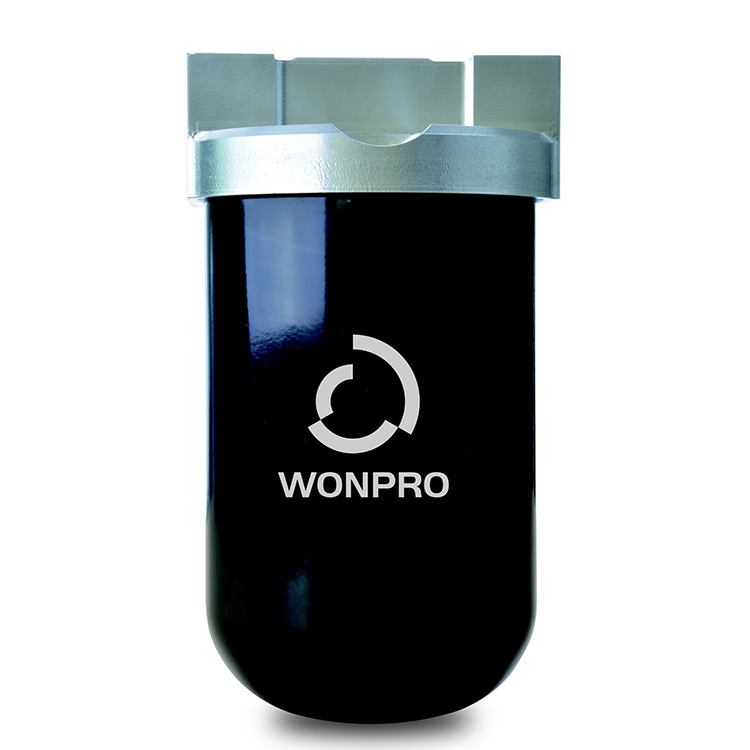
Table of Contents
- Article Outline
- Definition and Core Function
- Why Oil Filters Are Essential
- Common Customer Pain Points
- Main Types of Oil Filters
- How to Choose the Right Oil Filter
- Typical Application Scenarios
- Maintenance and Replacement Guidelines
- Frequently Asked Questions
- Conclusion and Contact
Article Outline
- Understanding what an oil filter does in real-world systems
- Identifying operational risks caused by poor filtration
- Comparing oil filter structures and filtration mechanisms
- Matching oil filter specifications with equipment requirements
- Reducing downtime through proper maintenance planning
Definition and Core Function
An oil filter is a mechanical or hydraulic filtration device designed to remove solid particles, metal debris, carbon residues, and other impurities from lubricating oil. These contaminants are generated naturally during equipment operation due to friction, oxidation, and external environmental exposure.
By continuously filtering oil during circulation, an oil filter helps maintain oil cleanliness within acceptable limits. This directly supports smooth mechanical movement, stable pressure control, and consistent thermal performance in engines, compressors, hydraulic systems, and industrial machinery.
Why Oil Filters Are Essential
Unfiltered or poorly filtered oil can lead to accelerated wear, blocked oil passages, overheating, and unexpected equipment failure. In many cases, system breakdowns are not caused by design flaws but by contamination accumulation over time.
- Protects critical components such as bearings, pistons, and valves
- Maintains oil viscosity and lubrication efficiency
- Reduces friction-related energy loss
- Extends oil service life and reduces waste
For industrial users, reliable oil filtration is directly linked to operational continuity and cost control.
Common Customer Pain Points
Many customers encounter recurring issues related to oil filtration, especially when selection or maintenance is overlooked.
| Pain Point | Impact |
|---|---|
| Incorrect filter micron rating | Insufficient filtration or restricted oil flow |
| Short service life | Frequent replacements and higher operating costs |
| Poor material compatibility | Seal degradation and leakage risks |
| Unstable filter structure | Filter collapse under high pressure |
Addressing these issues requires both technical understanding and reliable manufacturing standards.
Main Types of Oil Filters
Oil filters are available in several structural designs, each suited to specific working conditions.
- Spin-On Oil Filters: Integrated housing and filter element, commonly used in automotive and light industrial systems.
- Cartridge Oil Filters: Replaceable filter elements housed in a permanent casing, offering flexibility and reduced waste.
- Hydraulic Oil Filters: Designed for high-pressure systems with precise filtration requirements.
- Magnetic Oil Filters: Capture ferrous particles using magnetic fields, often combined with traditional media.
Each type balances filtration accuracy, pressure resistance, and service convenience differently.
How to Choose the Right Oil Filter
Selecting an oil filter should be based on system requirements rather than price alone. Key parameters must be evaluated carefully.
| Selection Factor | Consideration |
|---|---|
| Micron rating | Match filtration precision with component tolerance |
| Flow rate | Ensure sufficient oil circulation without pressure drop |
| Operating pressure | Confirm filter structural strength |
| Temperature range | Verify material stability under working conditions |
Manufacturers such as Shenzhen Wonpro Technology Co.,Ltd. focus on balancing these parameters to support stable long-term operation across multiple industries.
Typical Application Scenarios
Oil filters are widely used in both mobile and stationary systems.
- Passenger vehicles and commercial trucks
- Construction and mining equipment
- Hydraulic power units
- Industrial compressors and generators
- Manufacturing production lines
Each application imposes different demands on filtration efficiency, durability, and maintenance intervals.
Maintenance and Replacement Guidelines
Even the highest-quality oil filter requires proper maintenance planning. Ignoring replacement schedules can negate filtration benefits.
- Replace filters according to operating hours or oil condition
- Monitor pressure differentials across the filter
- Inspect seals and housings during maintenance
- Avoid mixing incompatible filter specifications
Preventive maintenance not only protects equipment but also improves overall system reliability.
Frequently Asked Questions
How often should an oil filter be replaced?
Replacement intervals depend on operating conditions, oil quality, and system design. High-load or contaminated environments may require more frequent changes.
Does a finer micron rating always mean better performance?
Not necessarily. Overly fine filtration can restrict oil flow and increase pressure. The correct balance depends on equipment tolerance.
Can oil filters be reused after cleaning?
Most disposable oil filters are not designed for reuse. Reusable filters must follow manufacturer-approved cleaning procedures.
What happens if an oil filter fails?
Filter failure can allow contaminants to circulate freely, leading to accelerated wear, overheating, and potential system shutdown.
Conclusion and Contact
Understanding what an oil filter is and how it functions is fundamental to protecting engines and industrial systems from unnecessary damage. Proper selection, application, and maintenance directly influence equipment reliability and operating costs. By working with experienced manufacturers such as Shenzhen Wonpro Technology Co.,Ltd., customers can access filtration solutions designed to address real-world challenges across diverse industries.
If you are evaluating oil filtration options or seeking a solution tailored to your operating conditions, contact us today to discuss your requirements and explore reliable oil filter solutions that support long-term performance and efficiency.