

What Makes Cabin Filter Media Essential for Modern Automotive Air Quality and Performance?
2026-06-26
Indoor Air Protection in vehicles has become a critical concern for both manufacturers and end-users, especially as urban pollution levels and particulate exposure continue to rise globally. At the heart of this protection system lies Cabin Filter Media, a specialized filtration material designed to ensure that the air entering a vehicle cabin remains clean, breathable, and safe. For companies like Biaodian Nonwovens Technology Co., Ltd, developing advanced filtration materials is not only a technical challenge but also a market-driven necessity that defines competitive advantage in the automotive filtration industry.
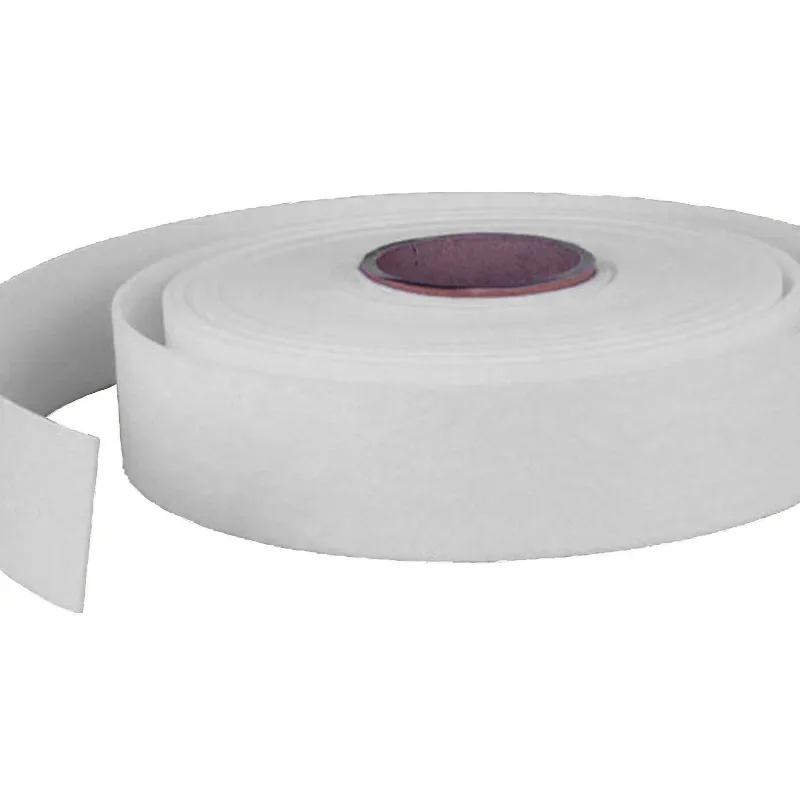
Understanding Cabin Filter Media
Cabin Filter Media refers to engineered nonwoven or composite materials used in automotive cabin air filters. These media are responsible for capturing airborne contaminants before they enter the passenger compartment.
Primary Functions:
- Filtering dust, pollen, and soot particles
- Blocking harmful gases (in activated carbon variants)
- Improving HVAC system efficiency
- Enhancing passenger comfort and health
Why Cabin Filter Media Matters
The importance of Cabin Filter Media extends beyond simple air filtration. It directly influences driving comfort, vehicle longevity, and even occupant health.
Key Importance Factors:
- Air Quality Protection: Reduces exposure to PM2.5, allergens, and pollutants
- HVAC System Efficiency: Prevents clogging and airflow restriction
- Health Benefits: Minimizes respiratory risks for sensitive individuals
- Odor Control: Activated carbon layers neutralize harmful odors
In modern vehicles, especially electric and luxury cars, cabin air quality has become a selling point rather than a secondary feature.
Types of Cabin Filter Media (Comparison Overview)
Different materials are used depending on filtration requirements and cost-performance balance.
| Type of Media | Structure | Filtration Efficiency | Key Advantage | Application |
|---|---|---|---|---|
| Meltblown Nonwoven | Fine fiber layer | High particle capture | Cost-effective | Standard cars |
| Activated Carbon Media | Composite layer | High + gas adsorption | Odor removal | Mid to high-end vehicles |
| Electrostatic Media | Charged fibers | Enhanced dust capture | Low airflow resistance | Premium filters |
| Composite Multilayer | Multi-functional | Very high efficiency | All-in-one protection | EV & luxury vehicles |
How Cabin Filter Media Works
The working principle is based on mechanical interception, electrostatic attraction, and adsorption.
Filtration Process:
- Air enters the HVAC system
- Large particles are blocked by pre-layer fibers
- Fine particles are trapped via electrostatic charge
- Gases and odors are absorbed (if carbon layer exists)
- Clean air is delivered into the cabin
This multi-stage filtration ensures consistent air purity even in highly polluted environments.
Key Performance Indicators (KPIs)
High-quality Cabin Filter Media must meet strict performance requirements:
- Filtration Efficiency: ≥ 95% for fine particles
- Air Permeability: Balanced airflow resistance
- Dust Holding Capacity: Long service life
- Durability: Resistance to humidity and temperature changes
- Low Pressure Drop: Ensures smooth HVAC operation
Cabin Filter Media vs Traditional Filter Materials
| Aspect | Cabin Filter Media | Traditional Fiber Filters |
|---|---|---|
| Efficiency | High precision | Moderate |
| Layer Structure | Multi-layer engineered | Single layer |
| Odor Removal | Yes (carbon type) | No |
| Lifespan | Longer | Shorter |
| Automotive Suitability | High | Limited |
Modern automotive requirements clearly favor advanced Cabin Filter Media solutions due to stricter air quality standards.
Applications in the Automotive Industry
Cabin Filter Media is widely used across multiple vehicle categories:
- Passenger cars
- Electric vehicles (EVs)
- SUVs and off-road vehicles
- Commercial transport vehicles
- Luxury automotive systems
Each category requires different filtration grades depending on usage environments and passenger expectations.
Why Nonwoven Technology Is Critical
For Biaodian Nonwovens Technology Co., Ltd, nonwoven engineering is at the core of Cabin Filter Media innovation.
Advantages of Nonwoven Materials:
- Flexible fiber structure design
- Adjustable density and porosity
- High customization capability
- Cost-efficient mass production
- Compatibility with multilayer composites
Nonwoven technology allows manufacturers to fine-tune filtration performance while maintaining airflow balance.
Innovation Trends in Cabin Filter Media
The industry is evolving rapidly, driven by environmental and technological changes.
Major Trends:
- Nanofiber filtration layers for ultra-fine particles
- Antibacterial and antiviral coatings
- Smart filters with lifespan indicators
- Eco-friendly biodegradable materials
- High-performance electrostatic enhancement
These innovations are pushing Cabin Filter Media toward smarter and more sustainable solutions.
Selection Guide for Manufacturers
When choosing Cabin Filter Media, manufacturers should consider:
- Required filtration efficiency level
- Vehicle type and HVAC design
- Cost-performance ratio
- Material compatibility with production lines
- Regulatory compliance (EURO, EPA standards)
A well-optimized selection ensures both product quality and market competitiveness.
Conclusion
Cabin Filter Media plays a vital role in modern automotive air purification systems. From improving passenger comfort to enhancing vehicle HVAC performance, its impact is both functional and strategic. As global demand for cleaner and healthier driving environments continues to rise, advanced filtration solutions are becoming essential components in automotive design.
With strong expertise in nonwoven material innovation, Biaodian Nonwovens Technology Co., Ltd is well-positioned to deliver high-performance Cabin Filter Media solutions tailored to evolving industry demands.
If you are looking for reliable, efficient, and customizable Cabin Filter Media solutions, contact us today to explore how we can support your automotive filtration needs and create long-term value for your business.