

What Makes the Oil Filter Essential for Your Engine Performance?
2026-01-23
When it comes to maintaining the longevity and efficiency of your engine, the Oil Filter plays a pivotal role. At Zhejiang Zhenhang International Trade Co., Ltd., we specialize in providing high-quality Oil Filters that ensure optimal engine performance while reducing wear and tear. An Oil Filter is designed to remove contaminants, metal particles, and debris from the engine oil, which prevents engine damage and maintains smooth operation. Choosing the right Oil Filter can significantly impact your vehicle's performance, fuel efficiency, and overall durability.
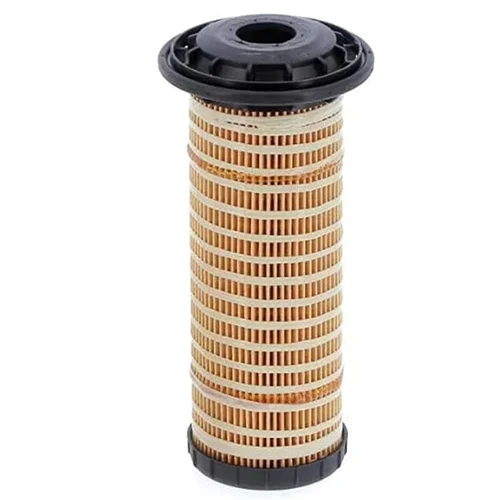
Why Is an Oil Filter Important?
The Oil Filter is more than just a component; it's a safeguard for your engine. Its importance can be summarized as follows:
-
Protects Engine Components – Removes harmful particles that can damage engine parts.
-
Maintains Oil Quality – Prevents oil from becoming contaminated, ensuring proper lubrication.
-
Enhances Engine Longevity – Reduces friction and wear on engine components.
-
Improves Fuel Efficiency – Clean oil flows better, reducing energy loss.
| Feature | Benefit |
|---|---|
| Contaminant Removal | Prevents abrasive particles from damaging engine |
| High Filtration Efficiency | Keeps oil clean for longer periods |
| Durability & Reliability | Reduces maintenance frequency |
| Compatibility with Engines | Works with various vehicle types |
Types of Oil Filters: Which One Should You Choose?
Selecting the right Oil Filter is crucial. There are several types to consider:
-
Spin-On Oil Filters: Easy to replace, commonly used in most vehicles.
-
Cartridge Oil Filters: Eco-friendly, reusable in some cases, and easier to recycle.
-
Magnetic Oil Filters: Use magnets to trap metallic particles, enhancing engine protection.
Each type has its advantages. At Zhejiang Zhenhang International Trade Co., Ltd., we offer a wide range of options tailored for different vehicles and engine types, ensuring you find the perfect fit.
How Does an Oil Filter Work?
Understanding the mechanism helps appreciate its value:
-
Oil Entry – Engine oil enters the filter under pressure.
-
Filtration – A filter medium traps dirt, debris, and metal particles.
-
Oil Exit – Clean oil flows back into the engine, maintaining lubrication.
-
Bypass Valve (Optional) – Ensures oil circulation even if the filter is clogged.
This simple yet effective process protects your engine from harmful contaminants and contributes to smoother operation and higher efficiency.
Oil Filter vs. No Oil Filter: A Quick Comparison
| Aspect | With Oil Filter | Without Oil Filter |
|---|---|---|
| Engine Wear | Minimal | High |
| Oil Longevity | Extended | Shortened |
| Fuel Efficiency | Optimized | Reduced |
| Maintenance Cost | Lower | Higher |
| Engine Lifespan | Longer | Shorter |
The difference is clear: investing in a quality Oil Filter from Zhejiang Zhenhang International Trade Co., Ltd. is a decision that pays off in both performance and cost savings.
Best Practices for Oil Filter Usage
To maximize the effectiveness of your Oil Filter:
-
Change Regularly – Follow manufacturer recommendations for replacement intervals.
-
Use Compatible Oil – Ensure the oil type matches your engine specifications.
-
Inspect for Leaks – Check seals and connections during oil changes.
-
Choose Quality Filters – Avoid cheap alternatives that may compromise engine protection.
Conclusion
High-quality Oil Filters are essential for engine protection, efficiency, and longevity. Zhejiang Zhenhang International Trade Co., Ltd. provides reliable, durable, and high-performance Oil Filters suitable for various vehicles and machinery. Our products are designed to enhance engine life, maintain oil quality, and optimize overall performance.
Don't compromise your engine's health—upgrade to our premium Oil Filters today! Contact us to learn more about our products and place your order.