

Why Are High-Performance Truck Filters Reshaping Fleet Reliability and Long-Haul Efficiency?
2025-12-05
Truck filters serve as the protective barrier that keeps heavy-duty engines, fuel systems, hydraulic circuits, and cabin environments operating in clean, stable conditions. In commercial fleets, construction vehicles, logistics trucks, and off-road machinery, filtration quality directly influences engine life, fuel efficiency, maintenance cost, and uptime.
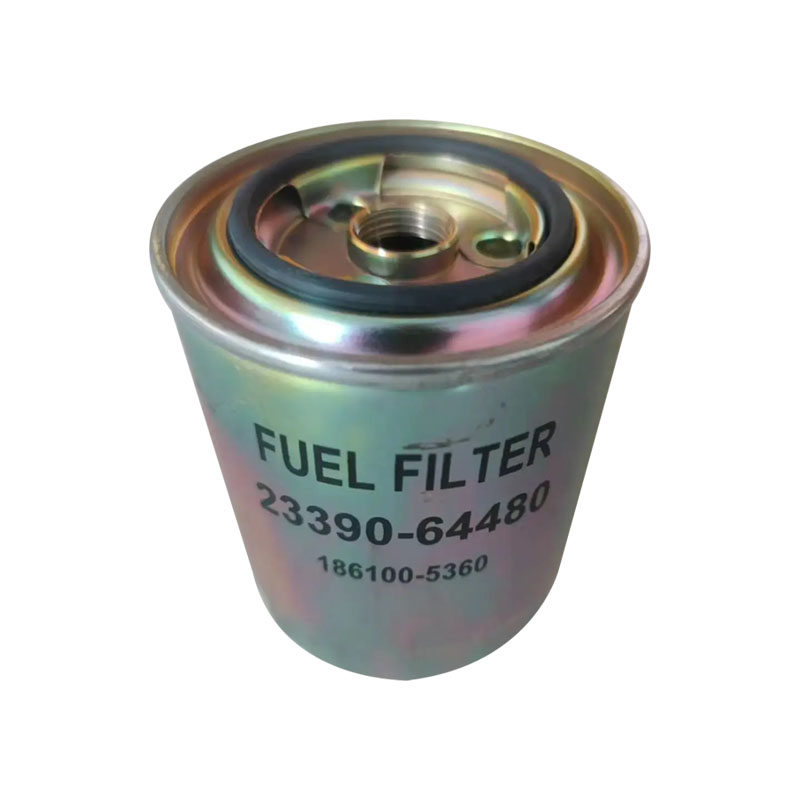
To help businesses evaluate filtration performance objectively, the following key technical parameters offer a professional overview:
Truck Filter Technical Parameters Overview
| Filter Type | Key Efficiency Level | Micron Rating | Construction Material | Operating Temperature | Service Life Cycle | Application |
|---|---|---|---|---|---|---|
| Engine Air Filter | 98–99.8% efficiency | 1–50 μm | Multi-layer synthetic fiber / Cellulose | -40°C to 110°C | 30,000–60,000 miles | Protects combustion air systems |
| Fuel Filter | 95–99% water separation | 2–10 μm | High-density micro-glass media | -30°C to 90°C | 20,000–40,000 miles | Prevents injector wear and contamination |
| Oil Filter | 20–40% higher dirt-holding capacity | 5–25 μm | Steel housing + thermal-resistant media | -40°C to 140°C | 5,000–15,000 miles | Enhances lubrication system cleanliness |
| Cabin Air Filter | 95–99% particle capture | 0.3–10 μm | Activated carbon / HEPA-grade media | -20°C to 85°C | 12,000–20,000 miles | Improves air quality for drivers |
| Hydraulic Filter | 99% filtration rate | 1–10 μm | Micro-glass + reinforced resin | Up to 150°C | 1,000–2,000 operating hours | Ensures system pressure stability |
These parameters reflect the performance expectations typically required in heavy-haul applications, long-distance operations, and demanding working environments. The following sections address four essential content pillars: filtration mechanisms, benefits and performance advantages, emerging technologies, and brand value.
How Do Truck Filters Work and Why Do They Matter in High-Demand Environments?
A. How Filtration Mechanisms Protect Critical Engine Components
Modern truck filters use multi-stage protective mechanisms:
-
Mechanical Filtration
Captures large particles through physical barriers. -
Depth Filtration
Uses a three-dimensional fiber structure allowing contaminants to be trapped within the layers, not just on the surface. -
Electrostatic Adsorption
Synthetic fibers generate a static charge to attract micro-particles. -
Chemical Absorption (for cabin filters)
Activated carbon neutralizes harmful gases such as NOx, SO₂, and VOCs.
These mechanisms ensure continuous protection even under harsh operating conditions such as dust, snow, heavy rain, industrial pollution, or diesel fuel impurities.
B. Why Clean Filtration Improves Power, Efficiency, and Longevity
A high-quality truck filter achieves the following operational advantages:
-
Reduces engine wear by preventing abrasive particles from entering combustion chambers.
-
Improves fuel economy through better airflow efficiency and stable injector function.
-
Extends maintenance intervals, reducing fleet downtime.
-
Stabilizes hydraulic pressure and lubrication flow, essential for construction and mining equipment.
-
Enhances driver comfort by delivering cleaner cabin air.
Each of these functions contributes to lower total cost of ownership (TCO) while ensuring trucks run consistently at optimal performance.
C. How to Select the Correct Filter Based on Application
Fleet operators typically ask:
-
What operating environment does the vehicle face? (Dust, humidity, high altitude, temperature shifts)
-
How intense is the daily workload? (High-mileage logistics vs. seasonal use)
-
What are the OEM specifications?
-
What are the expected performance improvements and replacement intervals?
Matching filter type, filtration grade, and material to the vehicle’s working environment ensures maximum reliability and durability.
Why Do Advanced Truck Filters Deliver Stronger Performance, Lower Cost, and Higher Efficiency?
A. How High-Efficiency Filters Enhance Fleet Productivity
Truck filters designed with micro-glass fibers, reinforced cellulose, and high-density synthetic layers deliver measurable improvements:
-
40–70% higher dirt-holding capacity
-
Longer filtration endurance under heavy load
-
Enhanced flow rate for fuel and oil systems
-
Consistent efficiency across a wide temperature spectrum
These improvements result in smoother engine idling, faster acceleration, better fuel atomization, and reduced stress on mechanical components.
B. Functional Advantages That Support Long-Haul Durability
1. Anti-Clogging Structure
Prevents pressure drop and maintains stable airflow or fuel flow even in high-dust environments.
2. Reinforced Housing and Seals
Ensures resistance to vibration, corrosion, heat, and mechanical stress.
3. High-Temperature Stability
Allows continuous operation during steep mountain climbs, long idling periods, and heavy towing.
4. Water and Contaminant Separation (Fuel Filters)
Removes moisture and micro-sediment that can damage precision injectors.
5. Odor and Gas Removal (Cabin Filters)
Creates a clean breathing environment for drivers during long-haul operations.
C. How Truck Filters Reduce Long-Term Maintenance Costs
By maintaining cleanliness in critical systems:
-
Engine overhaul frequency decreases
-
Injector replacement intervals extend
-
Oil change cycles can be optimized
-
Hydraulic system failures reduce significantly
This maximizes truck availability and reduces unexpected repair incidents, especially for fleets operating 24/7.
What Trends Will Shape the Future of Truck Filter Technology?
Emerging filtration technology continues to evolve in response to environmental standards, engine advancements, and global logistics growth. The following trends are defining the next generation of truck filters:
A. Smart Filtration Monitoring
Digital sensors integrated into modern filtration systems will monitor:
-
Pressure drop
-
Contaminant load
-
Filter life expectancy
-
Temperature and flow stability
This allows fleets to perform predictive maintenance instead of fixed schedules.
B. Eco-Friendly Filtration Materials
Manufacturers are shifting toward:
-
Recyclable housings
-
Bio-fiber filtration media
-
Lower-emission production processes
These materials reduce environmental impact while maintaining high performance.
C. Ultra-Fine Particle Filtration for New-Energy Trucks
Electric trucks and hybrid commercial vehicles require specialized thermal and battery protection components. Future filters will focus on:
-
Cooling system filtration
-
Thermal management fluid filtration
-
Cabin HEPA filtration for ultra-clean environments
As green transport expands, filtration systems will evolve to protect new types of mechanical and electronic components.
D. High-Efficiency Hydrophobic and Oleophobic Coatings
Coatings will help filters resist:
-
Moisture
-
Oil vapor
-
Chemical corrosion
-
Heavy industrial contaminants
This benefit is especially useful in mining, maritime logistics, and desert transportation.
Truck Filters FAQs
Q1: How often should truck filters be replaced in heavy-duty operations?
A: Replacement intervals depend on the type of filter and working environment. Air filters usually require replacement every 30,000–60,000 miles, fuel filters every 20,000–40,000 miles, and cabin filters every 12,000–20,000 miles. Trucks operating in construction sites, deserts, snow regions, or high-pollution areas may require more frequent changes to maintain smooth engine performance and avoid increased fuel consumption.
Q2: What happens if a truck operates with a clogged or low-quality filter?
A: A clogged filter restricts airflow or fuel flow, causing power loss, higher fuel usage, acceleration delay, increased engine heat, and premature component wear. Low-quality filters may fail to capture fine contaminants, allowing dust or water into injectors and combustion chambers. This can result in costly repairs such as injector replacement, turbocharger damage, or complete engine overhaul.
How Do Truck Filters Strengthen Fleet Competitiveness and Long-Term Reliability?
High-quality truck filters protect the heart of every heavy-duty vehicle. By maintaining clean airflow, stable fuel delivery, efficient lubrication, and a healthy cabin environment, filters directly determine the longevity, efficiency, and reliability of trucks used in logistics, construction, agriculture, mining, and long-distance transport. As global transportation evolves toward digital diagnostics, eco-friendly materials, and smarter maintenance systems, filtration technology will continue to advance, offering stronger protection and lower operational cost.
Fleet operators seeking high-performance, durable, and precisely engineered filtration solutions can rely on brands dedicated to professional manufacturing and strict quality control. Lano provides advanced truck filters developed to support demanding operational environments and enhance long-term vehicle performance. For inquiries, customized product specifications, or bulk order support, contact us to learn more about how Lano can support your fleet’s filtration needs.